
ESSENTIAL ENERGY, CSIRO, SIGENERGY AND AUSEV JOINTLY ANNOUCE V2G IS MARKET READY
One of Australia’s largest electricity distributors – Essential Energy, Australia’s national science agency – CSIRO, a renewable technology company, Sigenergy and Australian-owned distributor of commercial electric vehicles – AUSEV have jointly announced vehicle-to-grid (V2G) technology is market ready at the Smart Energy Conference in Sydney today (9 April).
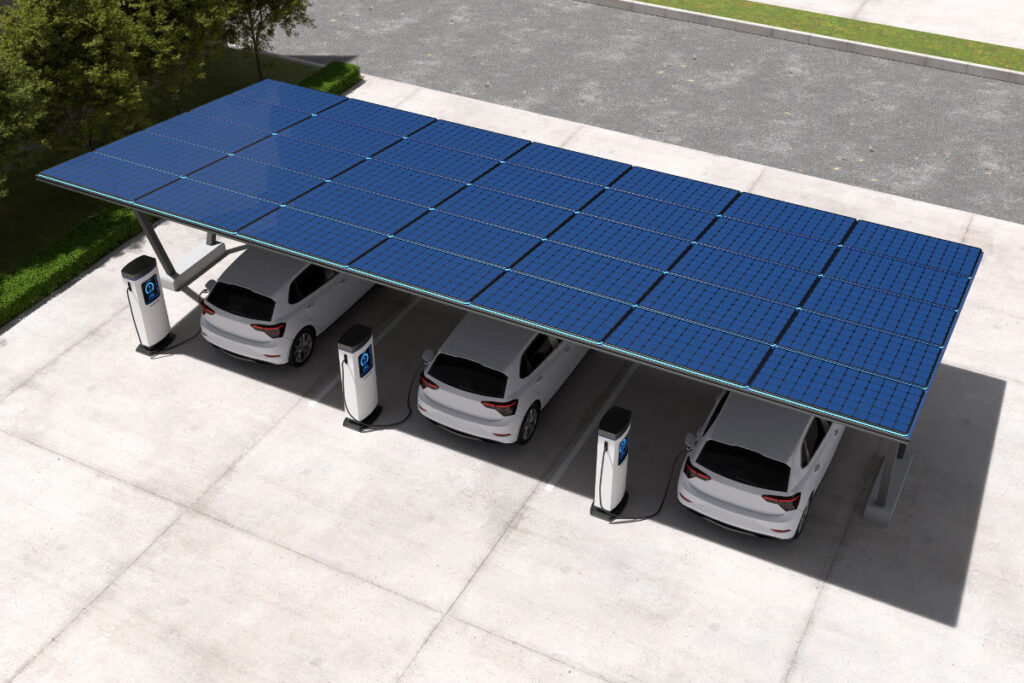
After years of trials with the Nissan Leaf using the soon to be superseded CHAdeMO charging technology, Essential Energy has successfully connected the AUSEV’s Ford F-150 Lightning with a combined charging system (CCS2) DC bi-directional charger and the Clean Energy Council approved Sigenergy storage system.
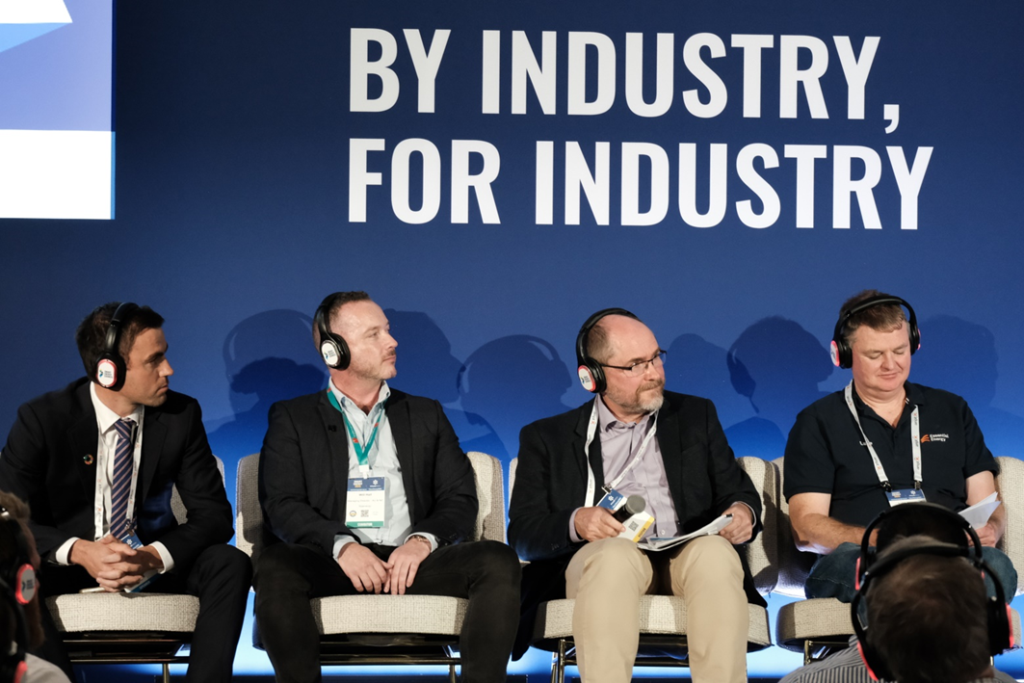
The industry leading announcement has given the green light for customers to use this combination on the Essential Energy network with Chief Operating Officer, Luke Jenner saying it is a huge step forward in enabling the energy transition.
“V2G unlocks the potential for customers to get more value out of their renewable energy investments and is a critical step in facilitating the uptake of electric vehicles. We have been trialling V2G on our network since 2023 with a customer using his Nissan Leaf and the Wallbox Quasar charger,” Luke says.
“Last year, we started working with CSIRO on an additional trial at our Innovation Hub in Port Macquarie and recent tests have confirmed that the Sigenergy SigenStor CCS2 DC bi-directional charger and the AUSEV Ford F-150 Lightning work effectively on our network.”
The partnership with CSIRO is to research and trial vehicle-to-grid (V2G) technology as part of a home electricity management system and to understand how it can be integrated into buildings and the electricity grid.
CSIRO Project Leader, Dr Sam Behrens says this development is a key transition step in supporting rooftop solar and grid stability in Australia.
“This pilot project marks an important milestone for Australia, successfully demonstrating a CCS2 bi-directional charger with a market available V2G-capable vehicle. This is significant as it opens the way for wider adoption of commonly available CCS2-compatible V2G technology, enabling households and utilities to use EVs as flexible energy resources,” Sam explains.
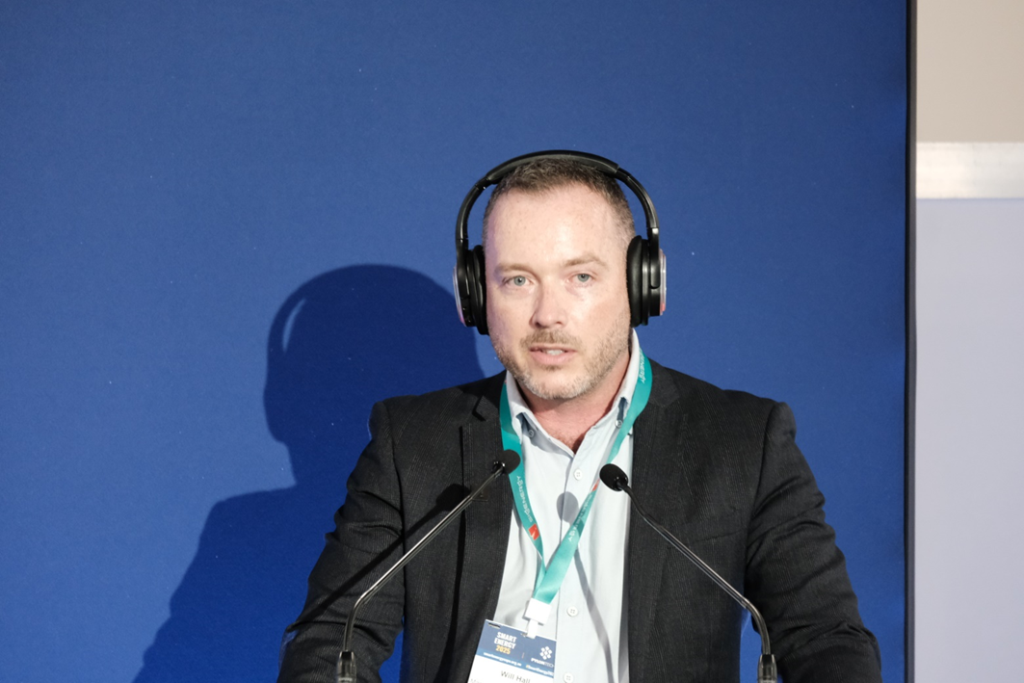
Sigenergy Managing Director for Australia and New Zealand, Will Hall, says that they proud to partner with industry leaders to successfully deploy V2G technology in Australia.
“At Sigenergy, we believe innovation is meaningful only when it translates into real-world impact. As the first to commercialise bi-directional charging in the energy industry, we are pushing the boundaries of energy flexibility and unlocking new possibilities for a smarter, more resilient grid. Our vision is to turn cutting-edge solutions into tangible benefits for users, while accelerating the transition to a more sustainable energy future,” Will says.
Having a F-150 Lightning as part of its fleet transition, Essential Energy was able to use the work utility vehicle to test the bi-directional charger at its Innovation Hub.
AUSEV Chief Executive Officer, Edward Kocwa says the benefits of V2G for customers will be a game-changer for the industry.
“Not only will customers be able to use the F-150 Lightning as a work ute, it will now essentially turn the vehicle into a mobile battery pack. It also has a very large battery (131kWh) meaning it can power homes and small buildings for an extended period during power outages. Essential Energy has been an early adopter of the energy transition, and we applaud their commitment to innovation in providing Australians with more ways to potentially reduce energy costs at home and at work,” Edward says.
Essential Energy and CSIRO are currently investigating V2G technology with other car manufacturers in order to provide additional options for customers. The Sigenergy SigenStor energy storage system is Clean Energy Council approved and can be installed on the Essential Energy network through the existing solar connection process.