
The Smart Energy Council Working Groups bring together members with shared interests to help shape policy, discuss industry challenges, identify opportunities and help inform advocacy priorities.
As the market evolves, so do the issues facing businesses. We’ve refreshed our Working Groups to ensure discussions remain relevant, focused and valuable for members.
Whether you’re looking to stay informed, contribute to industry advocacy or connect with peers facing similar challenges, there’s a Working Group designed for your part of the industry.
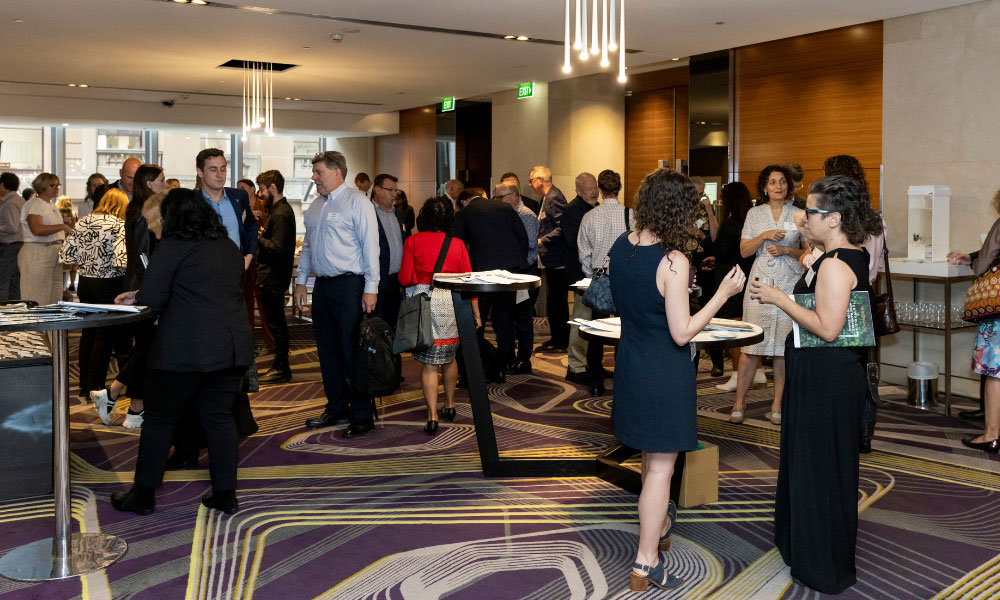
Latest policy and industry updates.
Help shape industry priorities.
Contribute your experience and expertise.
Connect with peers across the sector.
Support practical industry solutions.
Anticipate challenges and opportunities.
Working group participation is offered to Essential members and above.
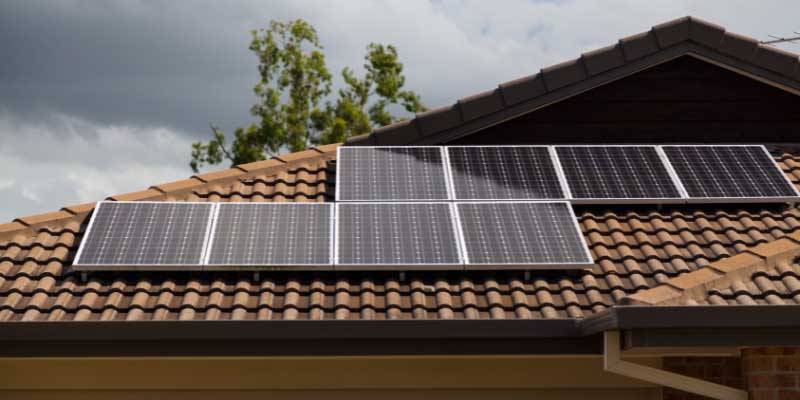
The Smart Consumer Working Group focuses on the policies, regulations and market conditions shaping Australia’s consumer energy sector. Bringing together retailers, wholesalers, installers, and service providers, the group explores issues affecting consumer outcomes, compliance, industry standards and the growing role of distributed energy technologies. It is a forum to share insights, identify challenges and help shape advocacy priorities that support a strong and trusted consumer market.
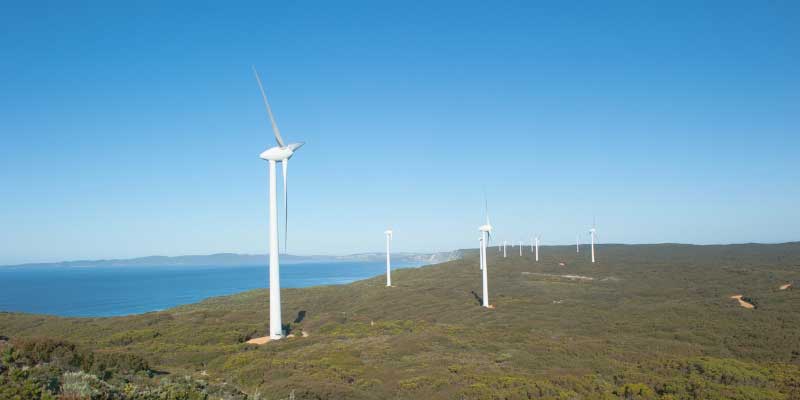
Australia’s energy transition depends on the successful delivery of large-scale renewable energy and storage projects. The Smart Large Scale Working Group brings together developers, investors, asset owners and EPCs to discuss the policy settings, planning frameworks, transmission challenges and investment conditions influencing project delivery. Members contribute practical insights that help inform advocacy on the issues affecting project development and long-term industry growth.
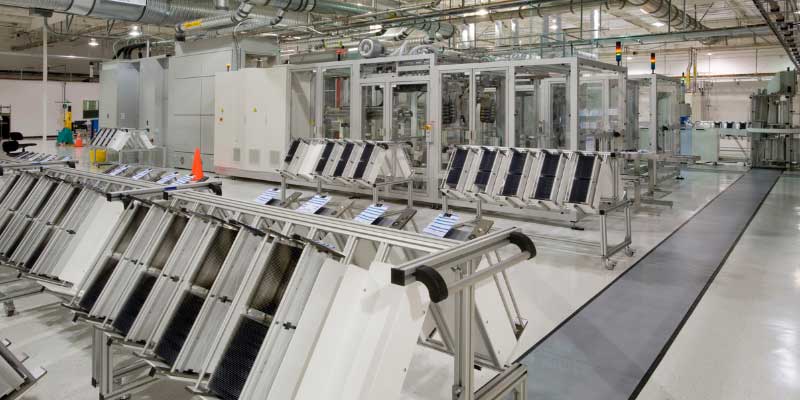
As Australia seeks to strengthen local manufacturing capability, the Smart Manufacturing Working Group provides a platform for manufacturers, technology developers and industry suppliers to engage on the policies and opportunities shaping the sector. Discussions focus on supporting domestic production, attracting investment, building supply chain resilience and creating pathways for Australian-made smart energy technologies to compete locally and internationally.

The electrification of transport is creating significant opportunities across Australia’s energy and mobility sectors. The Smart Transport Working Group brings together businesses involved in electric vehicles, charging infrastructure, fleet electrification and related technologies to discuss regulatory developments, market barriers and emerging opportunities. The group helps ensure industry perspectives are represented as transport and energy systems become increasingly connected.
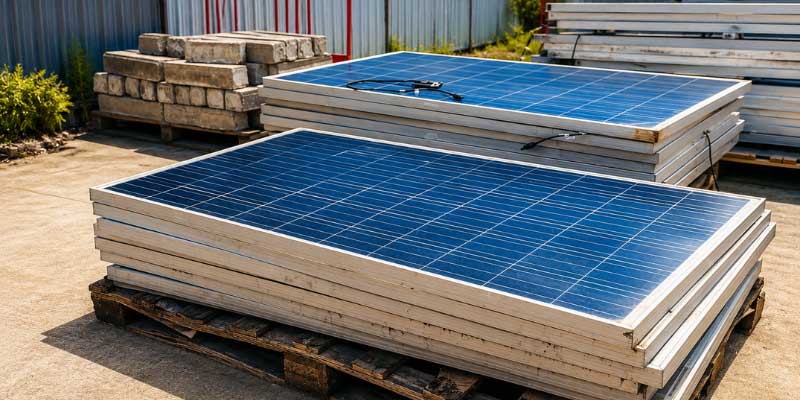
As solar panels, batteries and other smart energy technologies reach end of life, effective stewardship and recycling solutions are becoming increasingly important. The Smart Stewardship Working Group brings together recyclers, manufacturers and industry stakeholders to discuss product stewardship, circular economy initiatives and regulatory developments. The group supports industry-led solutions that improve sustainability outcomes while helping members prepare for evolving obligations and expectations.

The Smart Global Working Group focuses on international opportunities, trade barriers and global market trends impacting Australia’s smart energy sector. Bringing together exporters, importers, investors and internationally focused businesses, the group provides a forum to discuss market access, trade policy, international partnerships and investment opportunities. It helps members better understand global developments while supporting Australia’s role in the international energy transition.
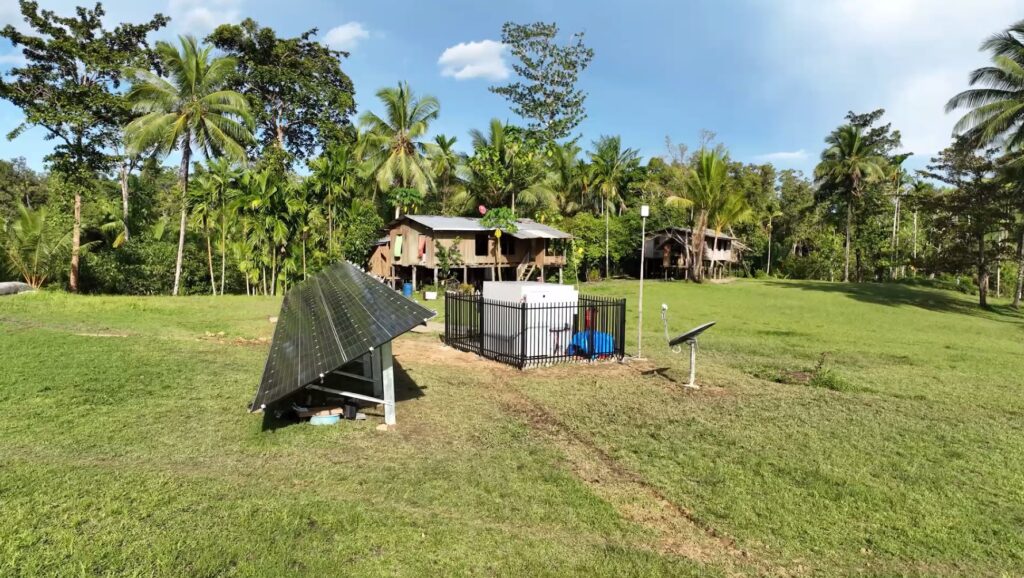
The Smart Pacific Working Group was established in 2023. It focuses on opportunities in the region’s transition to 100% renewable energy. Bringing together educators, exporters, financiers, investors, government officials and philanthropists, the group provides a forum to discuss the region which is the biggest recipient of Australian development assistance. It helps members better understand the region while supporting its energy transition.
Our team can help identify the most relevant Working Group based on your business activities and areas of interest.

Sohaib is a specialist in renewable energy policy and stakeholder engagement at the Smart Energy Council, where he drives the advocacy agenda amid Australia’s rapidly evolving energy landscape.
With extensive experience across regulatory delivery and strategic policy development, Sohaib possesses a sophisticated understanding of the complex frameworks required to transition the national grid, from large-scale projects down to consumer energy resources.
With a foundaion in Advanced Chemistry, he excels at translating technical reforms into clear, actionable advice, ensuring the transition to renewable energy is supported by a robust, evidence base.
Known for building trusted relationships across government, industry, and community sectors, Sohaib bridges the gap between high-level objectives and practical implementation.
Sohaib draws on an interdisciplinary background to deliver outcomes-focused solutions, centered on advancing a reliable, affordable, and clean energy future.
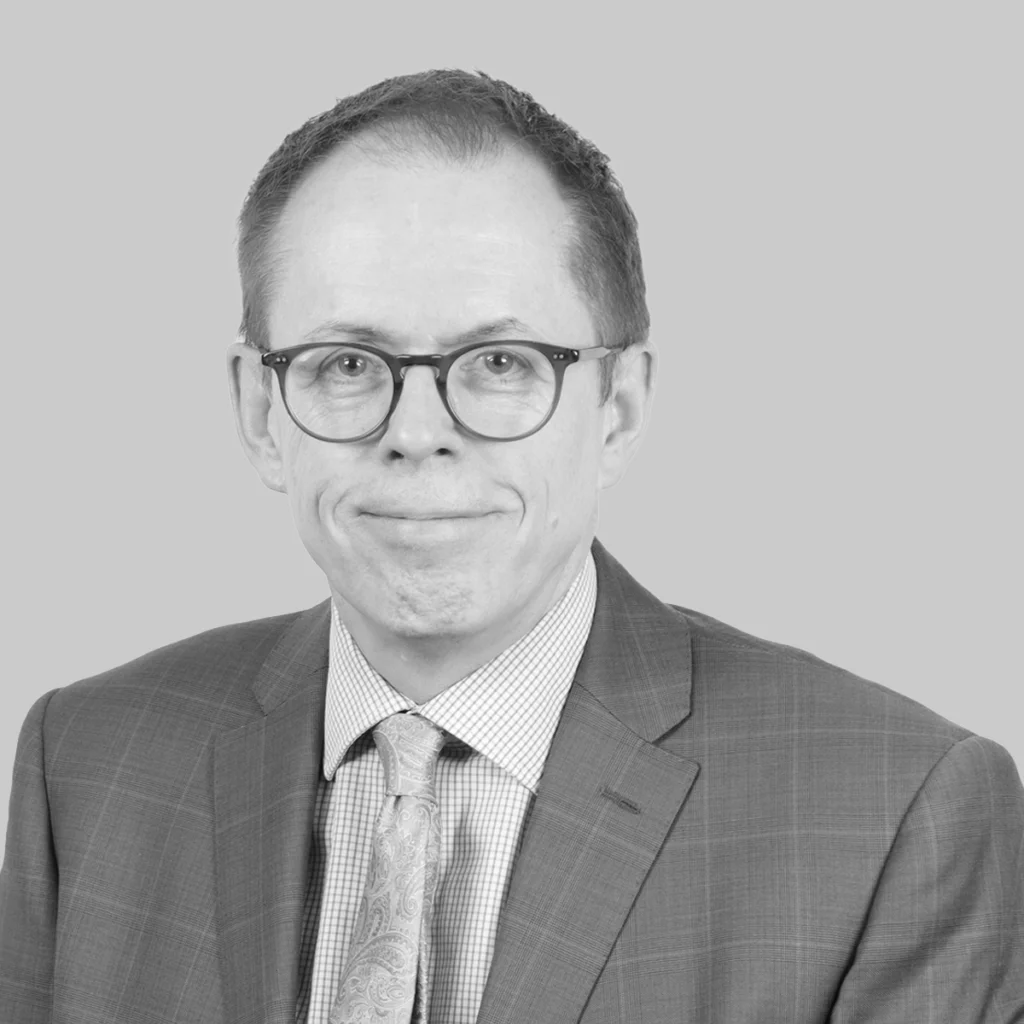
During this time, John played a central role in the passage of the harmonised Work Health and Safety legislation and contributed significantly to the development and passage of the new Workers’ Compensation Act.
In recent years, John worked with Western Australia’s government-owned gentailer, Synergy, as Manager of Government Relations. This role not only built on his deep understanding of government and political processes but also provided a practical education in the complexities of the WA energy system.
John is deeply committed to equality and progressive social change. At the heart of his work is a focus on ensuring that the energy transition is inclusive and benefits all members of the community.
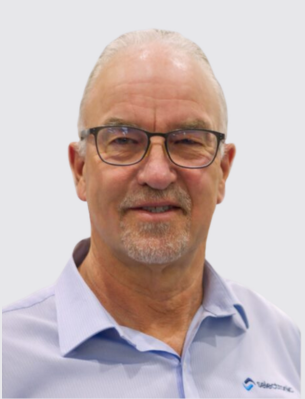
Rod Scott has served as Selectronic Australia’s CEO since 2016, having previously held the position of Executive Director of Sales and Marketing from 2005. With a strong background in the IT industry, Rod established his career by working with various innovative startups, developing a keen eye for emerging technologies and market opportunities. This experience has proven invaluable as renewable energy increasingly intersects with data analytics, smart systems, and digital communications.
Under Rod’s guidance, Selectronic continues its six-decade family legacy of designing and manufacturing premium battery-based inverters for Australian and global markets. Founded in 1964, the company remains at the forefront of sustainable energy innovation and Rod was instrumental in expanding the company’s market presence both domestically and internationally.
Rod is passionate about positioning Australia as a world leader in renewable energy solutions. He envisions a future where Australian-designed technology plays a pivotal role in the global transition to sustainable power solutions.

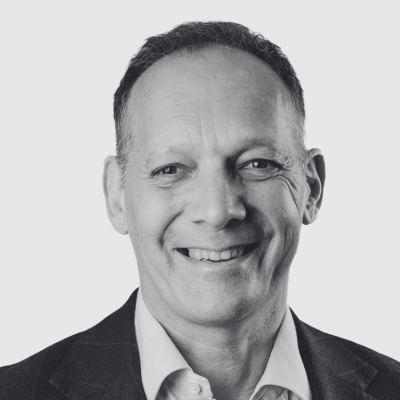
Darren Johannesen, is a senior product stewardship executive who brings a wealth of expertise to the SEC in the Circular Economy He has a background as an entrepreneur, with direct experience in Solar Cell and Module Manufacturing, and Consumer Energy (Small Scale Solar) Retail.
Backed by postgraduate studies in Entrepreneurship, Innovation, and Strategic Foresight, Darren brings a down-to-earth perspective to environmental challenges, aiming for solutions that make sense for both businesses and the planet.
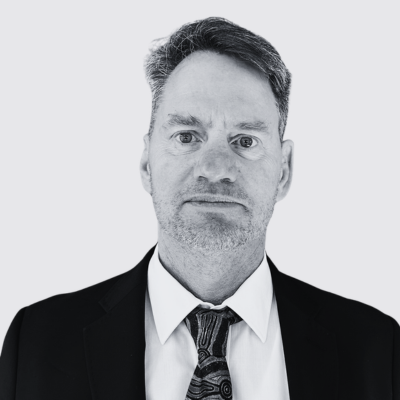
Richard Neumann is a former diplomat who served overseas in Beijing, Seoul and Taipei, and was Director of the Climate Mitigation and Investment Section in the Department of Foreign Affairs and Trade from 2019 to 2024. He has a Masters Degree in Foreign Affairs and Trade from Monash University, co-designed a Grid Integration of Renewable Energy Course with the Australian National University and managed the Australia-Germany Hydrogen from Renewable Energy Supply Chain Feasibility Study with the University of New South Wales. He is also a member of the Advisory Council of the Franco-Australian Centre for Energy Transition at Swinburne University.
Working Groups are one of the most effective ways for members to stay informed, contribute industry expertise and help shape Smart Energy Council advocacy priorities. Whether you’re involved in consumer energy, large-scale projects, manufacturing, transport, stewardship or international markets, there’s a Working Group designed for your part of the industry.
Chair: Sohaib Mohammed
Meeting Frequency: Every 8 Weeks
Sector Scope:
Chair: John Welch
Meeting Frequency: Every 8 Weeks
Chair: Rod Scott
Meeting Frequency: Every 12 Weeks
Chair: Rhiannon Evans
Meeting Frequency: Every 12 Weeks
Chair: Darren Johannesen
Meeting Frequency: Every 12 Weeks
Chair: Richard Neumann
Meeting Frequency: Third Monday of every second month except December
Chair: Richard Neumann
Meeting Frequency: First Monday of every month except January and July