
The Smart Energy Council has called for data centres to bring their own new renewable energy and cover the costs they create, in a submission to the Department of the Prime Minister and Cabinet’s consultation on new Australian Standards for large data centres and AI infrastructure.
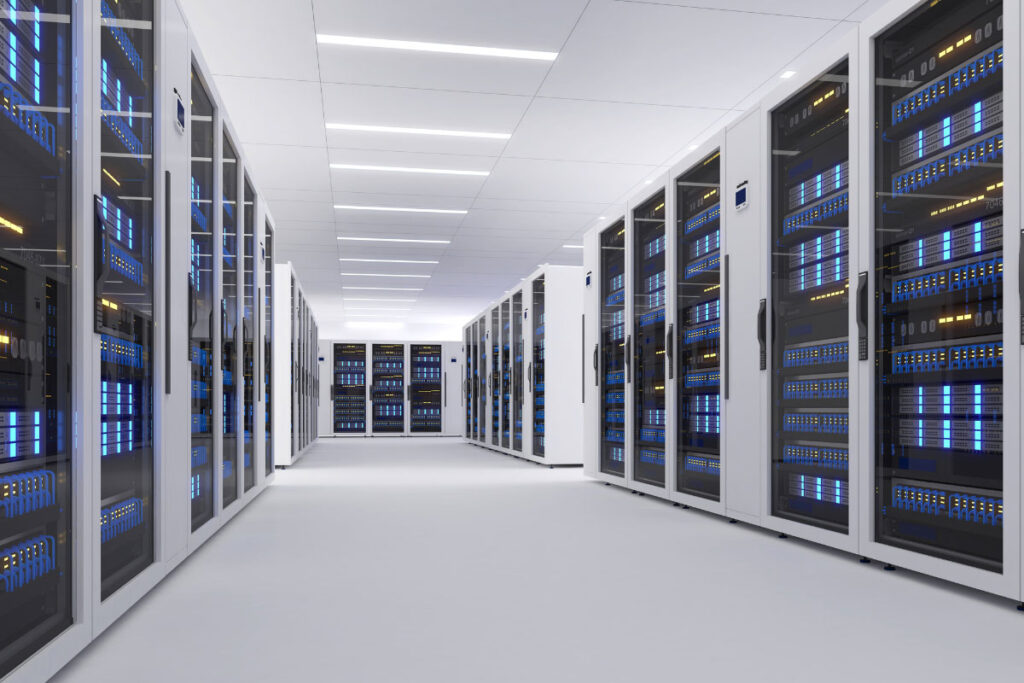
Australia’s data centre sector is growing fast. The Australian Energy Market Operator forecasts data centre electricity use will rise from about 5 terawatt-hours today to 34 terawatt-hours by 2035–36, around 13 per cent of the National Electricity Market. Modelling by Baringa for the Clean Energy Finance Corporation, shows that if this demand is met from existing supply, wholesale prices could rise by up to 26 per cent in NSW and 23 per cent in Victoria. If data centres bring new renewables and storage with them, those rises drop to around 2–3 per cent.
Community tensions are already surfacing. In Melbourne’s inner west, residents have halted power line upgrades for local data centres, saying they were not consulted.
Without clear national rules, these tensions between projects and host communities will only grow. The backlash also risks spilling over onto the renewable energy and transmission projects Australia needs for the energy transition.
The Smart Energy Council welcomes AI investment in Australia, but our submission makes clear it must not come at the expense of households, businesses, or local communities.
Our key recommendations are:
- New and additional renewable energy: data centres should match 100 per cent of their electricity use with new renewable generation, not draw on clean energy homes and businesses already rely on.
- Clean firming: backup and firming should come from storage, not gas, and diesel backup generation at data centres should not receive the fuel tax credit.
- User pays: data centres should pay the full cost of the grid connections and network upgrades they trigger, so no costs are passed on to other consumers.
- Support, not strain, the grid: large data centres should be required to reduce demand when the grid is under pressure, helping keep the lights on during peak periods.
- Transparency: energy use should be reported publicly, site by site.
“Data centres are welcome in Australia, but they need to bring their own power and pay their own way,” said David McElrea, CEO, Smart Energy Council. “Getting the rules right now, before the industry is entrenched, is how we make sure the AI boom helps build our grid instead of pushing up bills for households and businesses.”
The Government plans to introduce legislation for its Australian Standards for AI early next year. The Smart Energy Council will continue to work with the Office of AI, state and territory governments, energy market bodies, and industry groups to ensure the final framework delivers new clean energy without driving up energy costs for consumers.
Read our full submission here
Media Contact
Email: media@smartenergy.org.au
Phone: +61 448 972 192
Website: www.smartenergy.org.au
About the Smart Energy Council
The Smart Energy Council is the peak independent membership body representing Australia’s renewable energy industry. We are a not-for-profit organisation and registered charity, advocating on behalf of our members and the wider industry for strong energy policy, increased investment, energy security and sustainable industry growth. Our work spans residential, commercial and industrial distributed energy resources (DER), including solar PV and battery storage, rooftop solar, electrification, electric vehicles and smart transport, renewable manufacturing, large-scale renewable energy, electricity grid development and emerging energy technologies. We represent our members’ interests nationally and internationally, including across the Asia-Pacific region.
If your organisation operates in the renewable energy sector, become a member to support our work, strengthen our collective voice and help shape the industry’s future.
Join renewable energy leaders at our conferences, exhibitions and networking events. Explore upcoming events.