
SEC News

Cheaper Home Batteries Program will slash power bills for all Australians

The Smart Energy Council strongly welcomes Federal Labor’s commitment today to a $2.3 billion Cheaper Home Batteries Program. 

“The Cheaper Home Batteries Program will not only slash power bills for 10 million Australians with solar but also ensure all Australians are at least $1.3 billion better off in 2030 through reduced wholesale electricity costs”.

“This really is a battery bill buster program.”

“The Cheaper Home Batteries Program is the most important development in consumer energy since Australians first gained access to subsidised solar panels,” Smart Energy Council Chief Executive John Grimes said. 

“This Albanese Government program will literally help millions of Australians permanently reduce their energy bills.”

“Four million Australian homes have solar and this policy will help them store that energy for later when it will be at its cheapest. 10 million Australians are already producing solar power, now they can store it.”

“Australians can take control of their power bills and when and how they produce and use electricity. This literally gives power back to Australians.”

The Cheaper Home Batteries Program will allow Australian households without solar to save up to $2,300 a year if they get solar and a solar battery, whilst those with solar can save up to an extra $1,100 by adding a solar battery”. 

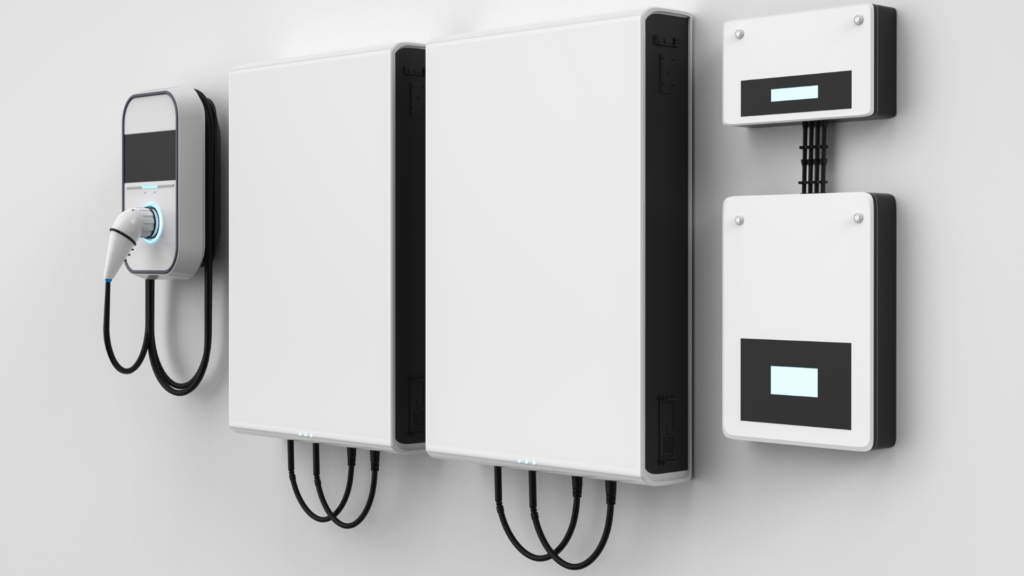
There are currently 77 solar batteries on the Australian market, starting at around $4,000 for a 5kWh battery.

The Smart Energy Council is pleased to see the government has listened closely to industry when preparing this policy, ensuring there is strong guidance from the get go about its design.

A range of between 5-15 kWh for home batteries is an appropriate model for Australian households, and $372 per kWh will make a massive difference in bridging the gap between people who couldn’t previously contemplate getting a solar battery.

“It’s important to understand that this policy will help reduce the power bills of everyone, not just those who can get solar and a battery,” Mr Grimes said.

“Less demand on the energy grid means fewer price peaks, a win win for all.”

Media contact: Tim Lamacraft – tim@smartenergy.org.au – 0448 972 192

Related Posts

Smart Energy South Australia 2026 showcases the state’s leadership as Australia’s renewable energy powerhouse

Smart Energy Council Visits Tindo Solar Ahead of Smart Energy South Australia

Smart Stewardship

Chair: Darren Johannesen

Meeting Frequency: Every 12 Weeks

Sector Scope

  • Recyclers
  • PV Manufacturers
  • Product stewardship participants

Policy Scope

  • Stewardship policy
  • Recycling frameworks
  • Circular economy initiatives

Technology Scope

  • Solar
  • Batteries

Topics Scope

  • Recycling pathways
  • Product stewardship schemes
  • End-of-life management
  • Industry obligations
  • Sustainability initiatives

Smart Global

Chair: Robert Potter

Meeting Frequency: Every 12 Weeks

Sector Scope

  • Importers
  • Exporters
  • Investors
  • International projects

Policy Scope

  • International trade
  • Market entry
  • Export facilitation
  • Trade Tariff 

Technology Scope

  • Smart energy technologies
  • Climate technologies

Topics Scope

  • Renewable Energy Council Asia Pacific
  • Export opportunities
  • Trade missions
  • Global Climate
  • International partnerships
  • Investment opportunities

Smart Transport

Chair: Rhiannon Evans

Meeting Frequency: Every 12 Weeks

Sector Scope

  • Transport technology providers
  • Light and Heavy Electric Fleet operators
  • Charging infrastructure businesses

Policy Scope

  • EV policy
  • Charging infrastructure
  • Transport electrification
  • Network integration
  • Incentives 

Technology Scope

  • Electric vehicles
  • Charging infrastructure
  • Fleet technologies
  • Distribution Network

Topics Scope

  • Rapid Expansion
  • Interconnections
  • Regulations and Standards
  • V2X

Smart Manufacturing

Chair: Rod Scott

Meeting Frequency: Every 12 Weeks

Sector Scope

  • Local manufacturers
  • Technology developers
  • Component suppliers
  • Emerging technologies

Policy Scope

  • Supply Chain
  • R&D
  • Manufacturing Incentives
  • CEFC

Technology Scope

  • Solar
  • Storage
  • Electronics
  • Software
  • Critical materials

Topics Scope

  • Expanding local manufacturing
  • Export opportunities
  • Supply chains
  • Local content
  • Investment attraction
  • Industry capability

Smart Large-scale

Chair: Sohaib Mohammed

Meeting Frequency: Every 8 Weeks

Sector Scope

  • Large & utility scale developers
  • Asset owners
  • Investors
  • EPCs

Policy Scope

  • NEM Review
  • Capacity Investment Scheme
  • Planning Regulation

Technology Scope

  • Solar
  • Storage
  • Wind
  • Transmission

Topics Scope

  • Interconnection
  • Development
  • Financing
  • Energy Wholesaling
  • Planning Regulation

Smart Consumer

Chair: John Welch

Meeting Frequency: Every 8 Weeks

Sector Scope:

  • Installers
  • Retailers
  • Wholesales
  • Service providers

Policy Scope

  • Consumer Energy Resources (CER) Rebate programs
  • Accreditation
  • Local regulations

Technology Scope

  • Solar
  • Battery storage
  • Energy retail
  • Distributed network technologies

Topics Scope

  • Compliance obligations
  • Training and workforce issues
  • Regulations 
  • Consumer protection
  • Energy retail developments
  • Virtual Power Plants (VPP)
  • Industry best practice

Contact Thornton de Voy

Contact Yuan Fang

Contact Ivan Chelvathurai

Contact Nigel Morris

Contact Charlie Caruso

Contact Allen Edwards

Contact Darren Johannesen

Contact Jessica Hampshire