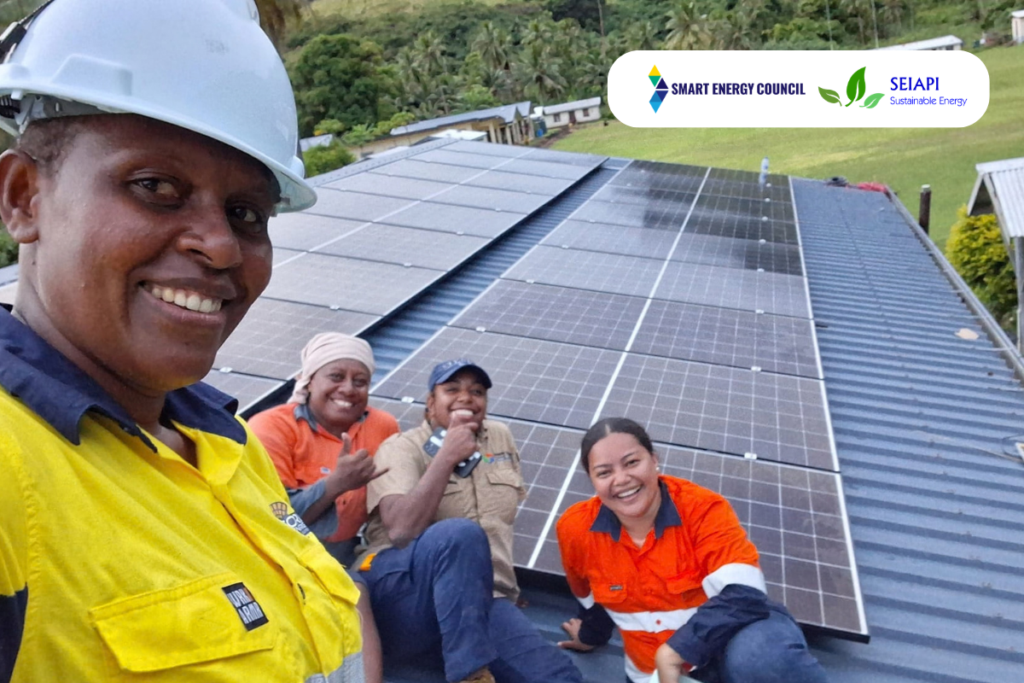

Fiji, 8 October 2026 – Australia has become the first country to endorse a global plan to double the number of homes with rooftop solar by 2030, putting household solar in the spotlight ahead of the UN’s COP31 climate summit in November.
The Global Rooftop Solar Declaration was endorsed by the Hon Chris Bowen MP, Minister for Climate Change and Energy and President of Negotiations for COP31, at the 2026 Pacific Pre-COP meeting in Fiji, ahead of next month’s COP31 Summit. The Declaration provides a blueprint for governments to make home solar and battery systems easier and cheaper to install, providing more secure and affordable electricity to their citizens. That means cutting red tape for installations, helping families access affordable finance, upgrading power grids and training more local workers.
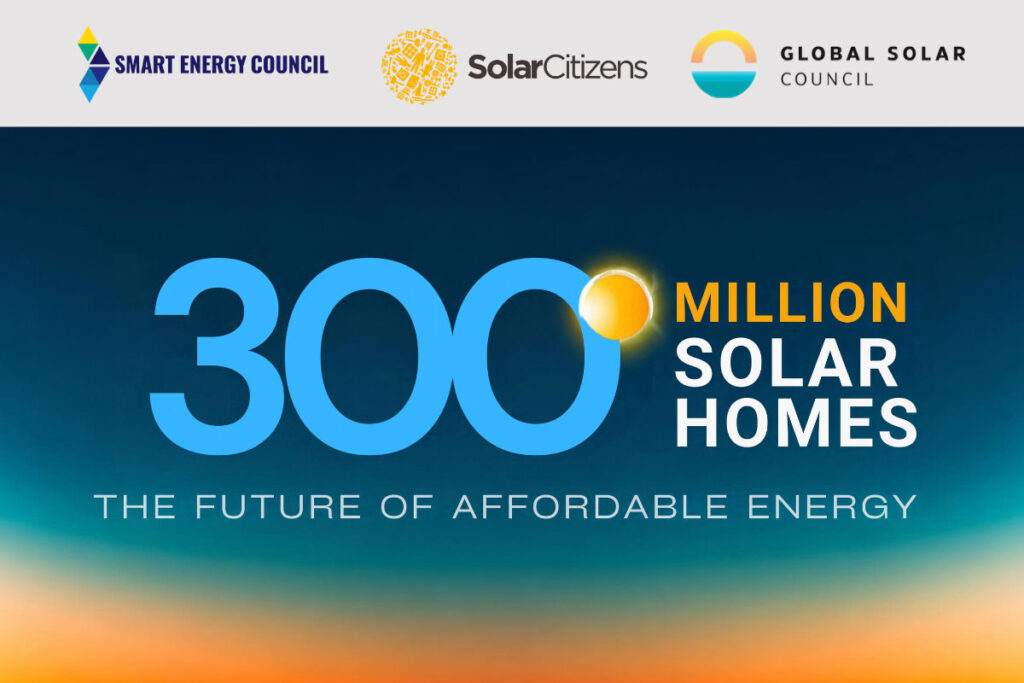
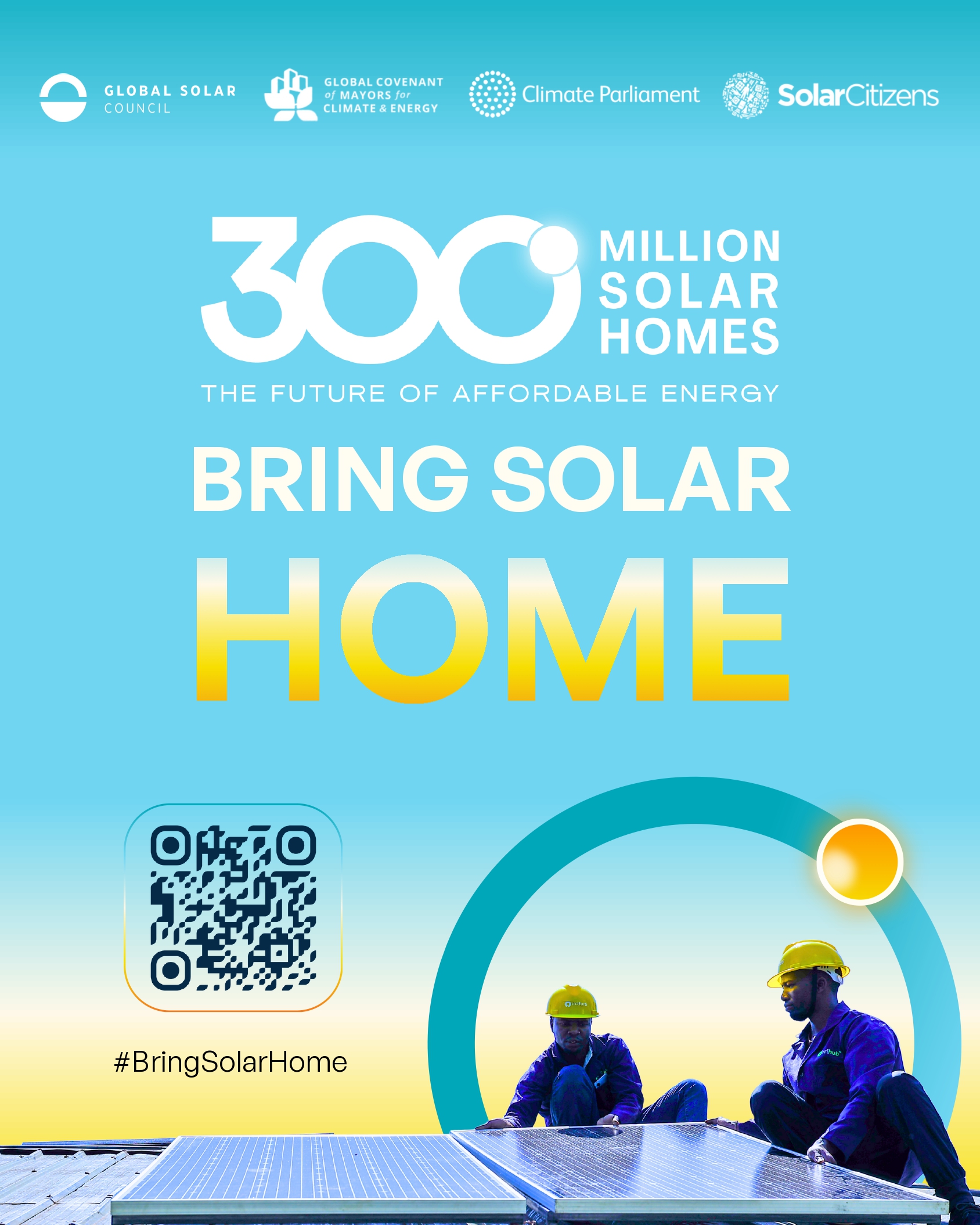
The Declaration underpins the 300 Million Solar Homes initiative. Around 150 million homes worldwide have rooftop solar today, and the initiative aims to double that by 2030. Its partners – including the Global Solar Council, Smart Energy Council Australia and Solar Citizens – welcomed Australia’s endorsement and called on other governments at a national, regional and local level to follow.
Rooftop solar, and battery storage, is one of the fastest-growing parts of the global energy system, expected to deliver 42% of solar growth and 34% of all renewable energy growth by 2030. With energy prices volatile following a second global energy crisis in four years, the fastest and cheapest way for households to ensure a secure supply of electricity and take control of their bills is by installing panels and batteries. In Australia, a household can save up to AU$1,500 a year from solar alone. There are also significant opportunities for plug-in solar and batteries as these products become available around the world.
Australia is a world leader in rooftop solar and home batteries, with solar on more than 40% of homes and rooftop systems supplying around an eighth of the country’s electricity. In the Pacific, five islands in Tonga run entirely on solar and battery storage. As President of Negotiations Australia’s backing of the declaration ahead of November’s summit in Türkiye is a clear signal to other countries that the global community can tackle skyrocketing energy prices through rooftop solar and home batteries.

“Families everywhere want to bring down their energy bills, and rooftop solar and storage lets them do just that. It took the world around 30 years to reach the first 150 million solar homes. We want to add the next 150 million in just four years. Australia’s support and practical experience in implementation is exactly what we need to realise that ambition in every corner of the world.”
– Sonia Dunlop, CEO of the Global Solar Council
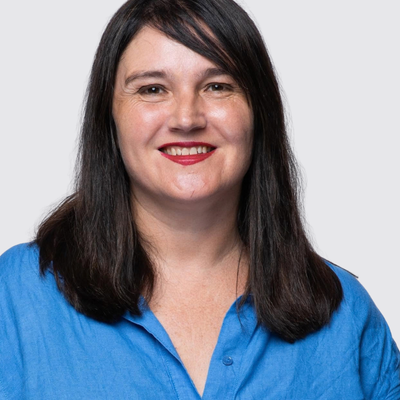
“Rooftop and home solar is the sleeping giant in global climate diplomacy, despite powering millions of homes. This pivotal Declaration provides a pathway to rapidly change that. We now call on national, state and local leaders around the world to sign onto the Global Rooftop Solar Declaration ahead of COP31 and help bring the benefits of home solar to millions more people.”
– Heidi Lee Douglas, CEO of Solar Citizens

“Solar is the cheapest, cleanest form of power in the world. Australia already leads the world in rooftop solar and home batteries, and today we have shown that the Australian Government is prepared to take that leadership globally. Rooftop solar cuts power bills, gives countries greater control over their own energy and protects households and economies from volatile fuel costs and supply.”
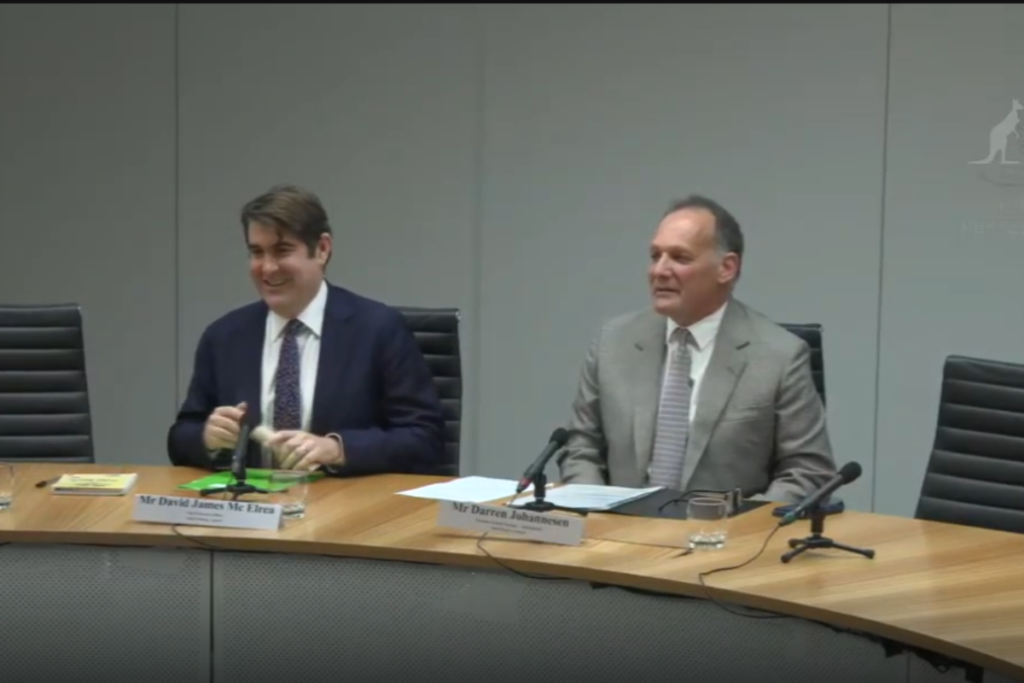
– David McElrea, CEO of the Smart Energy Council Australia
Notes to Editors
About the Global Rooftop Solar Declaration: The Declaration calls on national, state and local governments to accelerate the deployment of rooftop solar and household batteries. Signatories commit to prioritise:
- Streamlining permitting so rooftop solar is easier to install
- Integrating rooftop solar into energy and climate policy
- Unlocking affordable finance for households and communities
- Modernising electricity grids to support distributed energy
- Ensuring equitable access to solar for all households
- Expanding training to build a skilled, local workforce
The declaration can be found in full here.
ENDS.
The Global Solar Council (GSC) is the united voice of the solar industry worldwide. As a non-profit trade body, our vision is to create a fair and sustainable world with solar at the heart of a new energy economy. Driven by our passion for a cleaner, more just world, we work as a community to ensure everyone’s voices are heard, advocating for swift progress to be made in the battle for the climate. We advise governments on the pressing issues central to the solar transition, including finance, grids, skills, sustainability, and supply chains.
Solar Citizens is an independent, community-based non-profit organisation working to protect and grow renewable energy and transport in Australia and internationally. Our vision is of a world that prioritises affordable, renewable energy and clean transport, where every home, business and community can participate and benefit. We champion people-led energy systems that reduce the cost of living and harmful emissions. We enable global leadership to accelerate a fast, fair and inclusive energy transition.
The Smart Energy Council (SEC) is the peak independent membership body representing Australia’s renewable energy industry. A not-for-profit organisation and registered charity, we advocate on behalf of our members and the wider industry for strong energy policy, increased investment, energy security and sustainable industry growth. Our work spans residential, commercial and industrial distributed energy resources (DER), including solar PV and battery storage, rooftop solar, electrification, electric vehicles and smart transport, renewable manufacturing, large-scale renewable energy, electricity grid development and emerging energy technologies. We represent our members’ interests nationally and internationally, including across the Asia-Pacific region.
Media Contact: Tim Lamacraft, GM Media and Comms, media@smartenergy.org.au – +61 448 972 192