
27.10.2026
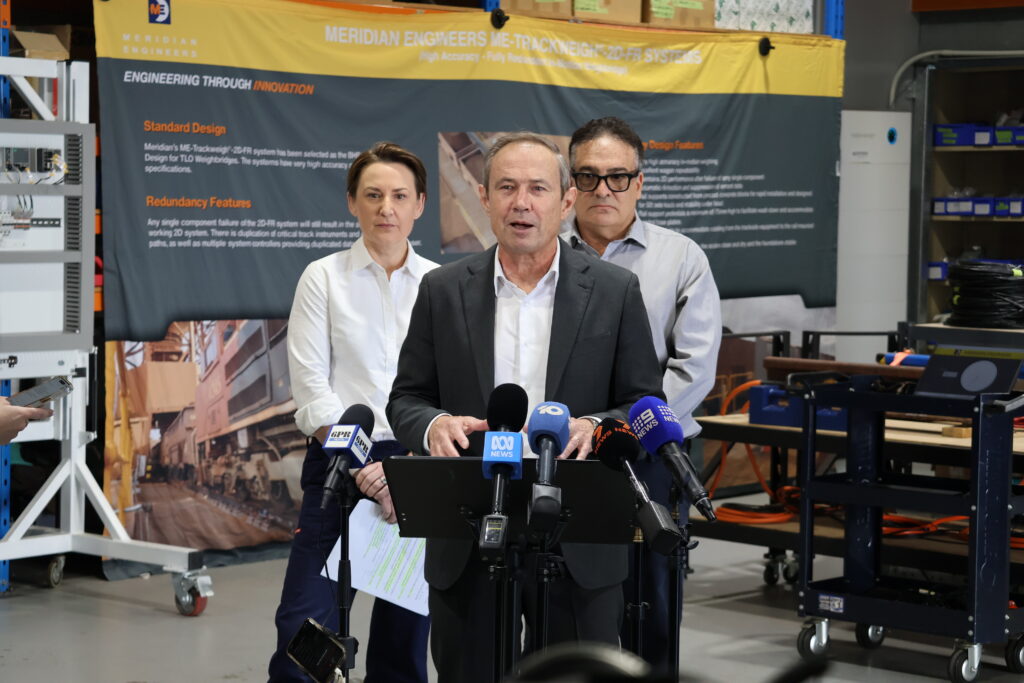
The Smart Energy Council has strongly welcomed the Cook Government’s announcement of a 75 per cent Renewable Energy Target (RET) by 2031 for Western Australia.
As Australia’s peak industry body for solar, storage, and renewable energy, we are proud to stand alongside a strong collective of industry, business, union and civil society who’ve been campaigning for years for WA to lock in a target.
Following recent policy reversals in Queensland, today’s move positions Western Australia as a decisive clean energy leader on the national stage.
Smart Energy Council Chief Executive David McElrea said the target provides the long-term policy certainty industry and investors have been calling for.
“Renewables backed by storage are the cheapest, fastest, and most reliable route to energy security,” Mr McElrea said.
“You cannot manage what you do not measure. A clear 75 per cent target sends an unmistakable market signal that Western Australia is open for major clean energy investment.”
“WA has world-class wind and solar resources, paired with critical minerals that can command a global green premium when processed with clean power.”
“We view the 75 per cent target by 2031 as the floor, not the ceiling. Our members stand ready not just to meet this target, but to beat it.”
How WA Meets and Beats 75%: A Three-Tiered Approach
Smart Energy Council WA State Manager John Welch said achieving the target relies on coordinating investment and deployment across three tiers: households, commercial and industrial (C&I) enterprises, and utility-scale projects.
“Western Australia’s pathway to 75 per cent renewables runs from the suburban rooftop to the gigawatt-scale wind farm,” Mr Welch said.
“A long neglected source of generation and storage is in the commercial and industrial facilities across the state, so it’s encouraging to see support from the Cook Government to unlock this market.”
“The next step is to resolve complexities and delays over grid connections so that commercial and industrial solar and batteries will also unleash rapidly emerging industries such as electrification of freight, and green mining opportunities.”
“The Clean Energy Investor Group (CEIG) previously highlighted the absence of an explicit target as a primary barrier to capital deployment in WA. With this policy now locked in, that barrier is gone, helping unlock institutional capital.”
Achieving WA to become a renewable energy powerhouse will occur across three critical layers:
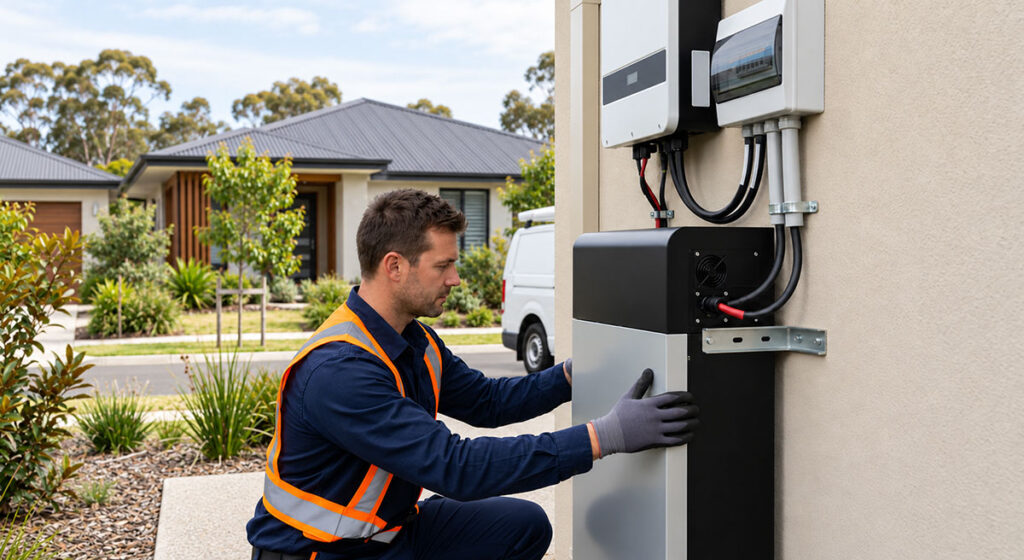
- Households Leading the Charge: With more than 50 per cent of WA homes already generating clean, low-cost electricity from rooftop solar, residential consumers form the backbone of the state’s energy system. Scaling up home battery uptake and coordinated orchestration will keep local grids stable and power bills low.
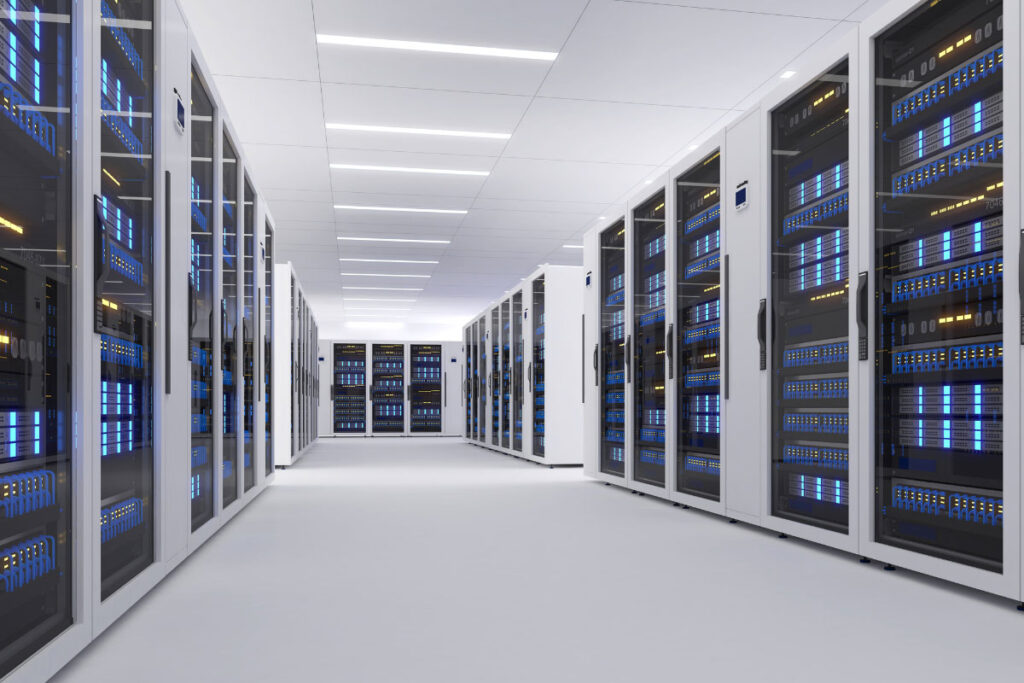
- Unlocking Commercial & Industrial (C&I) Power: Expanding commercial solar and storage across small-to-medium businesses provides permanent operational savings while easing peak grid strain for all consumers. The Council strongly backs initiatives like the Made in WA Energy Affordability Investment Program, to help empower local businesses to slash emissions and decarbonise supply chains – including freight.
- Large-Scale Generation Backed by Storage: Utility-scale wind, solar, and grid-scale firming capacity represent the heavy lifting needed to repower WA’s industrial base. Clear policy timelines gives developers and planners certainty when financing and commissioning large-scale assets.
“This announcement delivers the certainty industry needs to invest with confidence, create thousands of local jobs, and build a resilient, secure and lower-cost grid for every Western Australian,” Mr Welch said.
Media contact: media@smartenergy.org.au | 0448 972 192
ENDS.
Media Contact
Email: media@smartenergy.org.au
Phone: +61 448 972 192
Website: www.smartenergy.org.au
About the Smart Energy Council
The Smart Energy Council is the peak independent membership body representing Australia’s renewable energy industry. We are a not-for-profit organisation and registered charity, advocating on behalf of our members and the wider industry for strong energy policy, increased investment, energy security and sustainable industry growth. Our work spans residential, commercial and industrial distributed energy resources (DER), including solar PV and battery storage, rooftop solar, electrification, electric vehicles and smart transport, renewable manufacturing, large-scale renewable energy, electricity grid development and emerging energy technologies. We represent our members’ interests nationally and internationally, including across the Asia-Pacific region.
If your organisation operates in the renewable energy sector, become a member to support our work, strengthen our collective voice and help shape the industry’s future.
Join renewable energy leaders at our conferences, exhibitions and networking events. Explore upcoming events.