
The Smart Energy Council is keeping members informed of planned changes to Victoria’s rooftop solar rebates and will represent the sector in consultation on the new arrangements, with strong household support, consumer protection and certainty for industry at the centre of our advocacy.
With the changes scheduled for July 2027, we are outlining what is known, what remains unresolved and the priorities we will take to government—giving members early information to help them plan ahead and advise their customers.
What is changing?
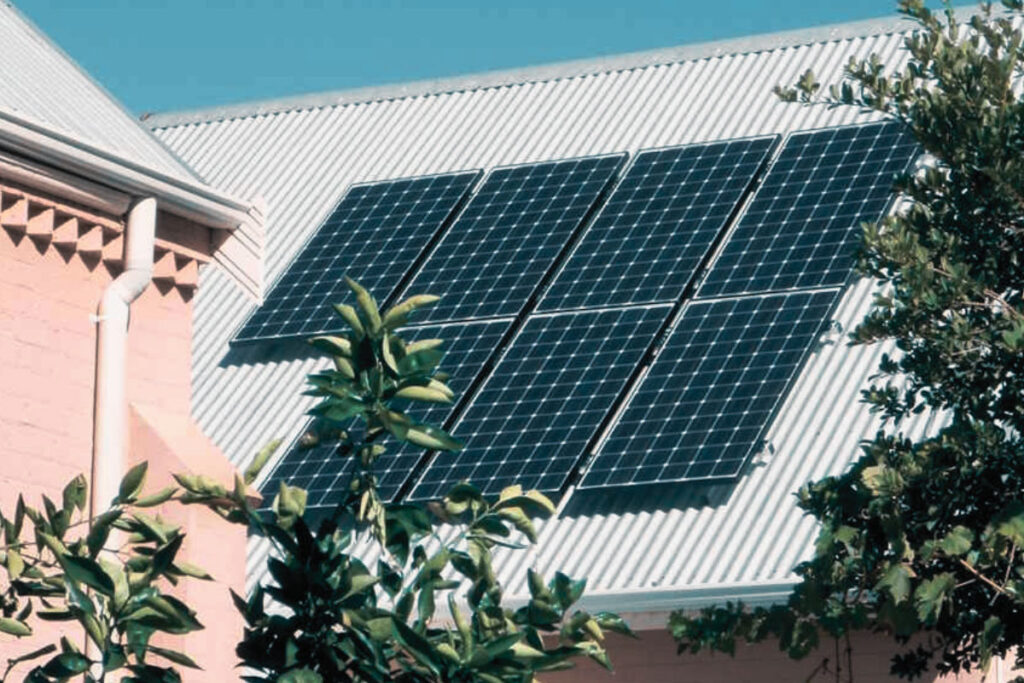
The Victorian Government has announced that the Solar Homes solar PV rebate and interest-free loan program will close to new applications on 30 June 2027. From 1 July 2027, a new solar PV activity under the Victorian Energy Upgrades (VEU) program will provide upfront installation discounts through a certificate-based framework.
Under the current arrangements, eligible households can access a solar PV rebate of up to $1,400 and an optional interest-free loan of up to $1,400.
Smart Energy Councils initial view:
Our initial assessment is that this represents a significant change in how rooftop solar is supported, rather than a withdrawal of support. The transition moves Victoria from a government-funded rebate model to a certificate-based market mechanism similar to other VEU activities. Potential benefits include longer-term policy certainty and possibly broader eligibility, while key risks include the loss of affordable finance and uncertainty around future discount levels. However, the design of the replacement program will be critical to its effectiveness for households and the businesses delivering solar installations.
Bringing members’ perspectives into consultation
Solar Victoria has confirmed that it will develop an implementation plan, including industry consultation on the design of the new solar activity and the move from the existing scheme. It has also welcomed input from The Smart Energy Council.
Through our representation on Solar Victoria’s Industry and Consumer Reference Group (ICRG), we will contribute members’ perspectives to these discussions alongside other industry and consumer stakeholders.
The Smart Energy Council CEO David McElrea said:
“We welcome the opportunity to contribute to the Victorian Government’s consultation on
Advocating for household affordability and industry certainty
Moving to the VEU framework could provide a longer-term mechanism for solar support and potentially broaden eligibility. Neither outcome is guaranteed, and important questions remain about future discount levels, access to affordable finance and the requirements placed on industry.
The Smart Energy Council will advocate for:
- Strong and stable solar incentives: Incentives and affordable finance arrangements that provide at least equivalent support to the current rebate and interest-free loan offering, with measures to minimise the impact of certificate-price fluctuations on discounts.
- Retention of robust consumer protection and quality standards: Retention of strong safety, quality assurance and consumer protection standards under the new model.
- Continued access for households: Support for low-income households, rental properties and apartments, recognising the different barriers they face in accessing solar.
- Clear transition arrangements for installers and retailers: Clear accreditation, compliance and implementation requirements, with sufficient notice and practical guidance to minimise disruption to businesses and customers.
Seeking clarity on the details that matter
The Government has advised that the Essential Services Commission will become the primary regulator of the new solar activity. Detailed accreditation, compliance and consumer protection arrangements are still to be developed.
We will seek clarity on these requirements, alongside future discount values, consumer eligibility, the treatment of rental properties and apartments, and whether an equivalent to the interest-free loan will be available.
For members, these are practical questions that affect business planning, customer advice, quoting and installation delivery. Our engagement will focus on ensuring the new arrangements are workable for industry while maintaining the protections households rely on.
Keeping members informed as the program develops
The Smart Energy Council will continue working with government and industry throughout the design and implementation process, using our participation in the ICRG to bring members’ perspectives into discussions.
We will share confirmed developments, consultation opportunities and implementation guidance as they become available. Our focus is on ensuring members have timely information to prepare, while advocating for a program that keeps solar accessible and supports the businesses delivering it.
Media Contact
Email: media@smartenergy.org.au
Phone: +61 448 972 192
Website: www.smartenergy.org.au
About the Smart Energy Council
The Smart Energy Council is the peak independent membership body representing Australia’s renewable energy industry. We are a not-for-profit organisation and registered charity, advocating on behalf of our members and the wider industry for strong energy policy, increased investment, energy security and sustainable industry growth. Our work spans residential, commercial and industrial distributed energy resources (DER), including solar PV and battery storage, rooftop solar, electrification, electric vehicles and smart transport, renewable manufacturing, large-scale renewable energy, electricity grid development and emerging energy technologies. We represent our members’ interests nationally and internationally, including across the Asia-Pacific region.
If your organisation operates in the renewable energy sector, become a member to support our work, strengthen our collective voice and help shape the industry’s future.
Join renewable energy leaders at our conferences, exhibitions and networking events. Explore upcoming events.