
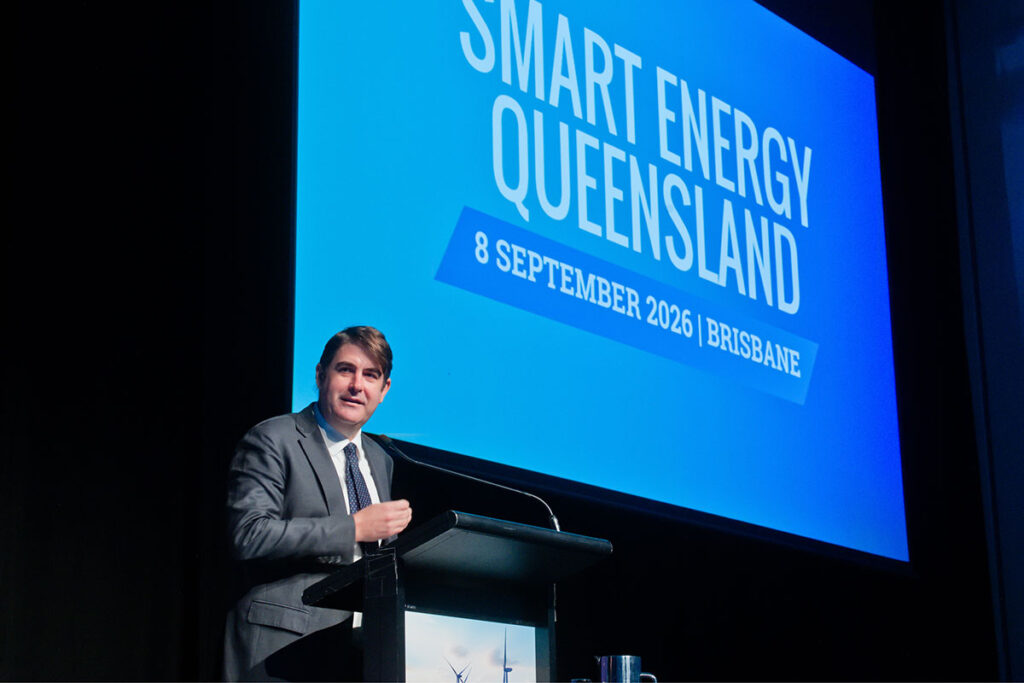
On 8 September, more than 1,300 people poured through the doors of Royal ICC Brisbane for Smart Energy Queensland 2026, one of the state’s biggest gatherings of the renewable energy sector.
From industry leaders and policymakers to installers, manufacturers and technology providers, the people driving Queensland’s energy transition came together under one roof, filling the conference rooms, exhibition floor and networking spaces with ideas, conversations and unmistakable energy..
The conversations began at the pre-event networking drinks by Supply Partners on Monday evening, where attendees had an early opportunity to reconnect with colleagues and build new industry relationships. That momentum continued into a full day of conference sessions, professional development, technology demonstrations and networking.
Queensland at the centre of the energy transition
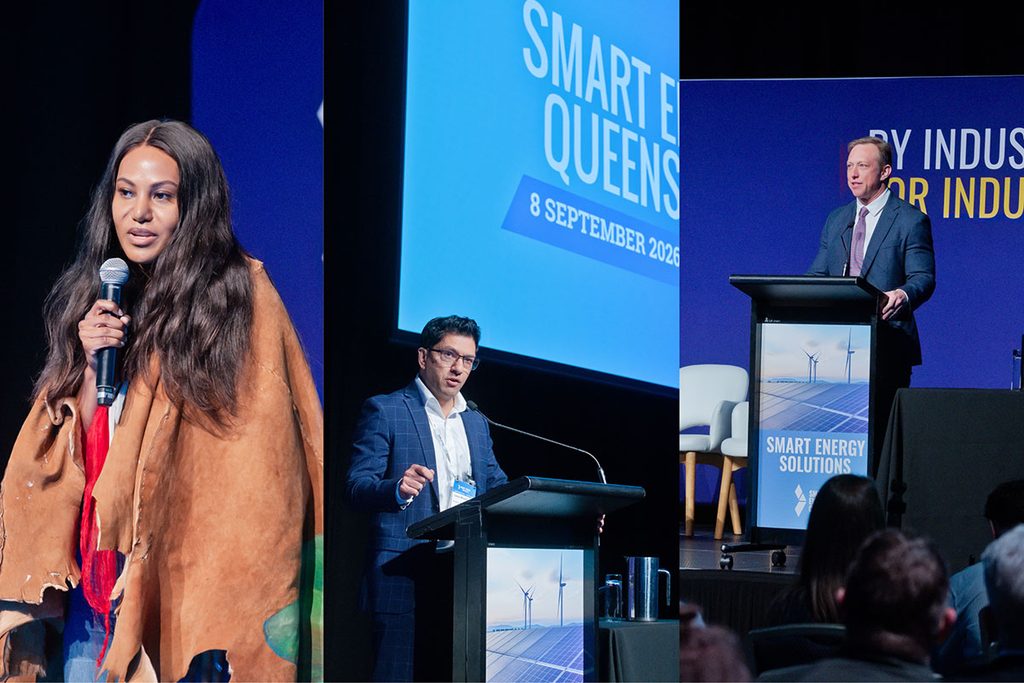
The conference opened with an inspiring Welcome to Country from Songwoman Baringa, followed by an address from Smart Energy Council CEO David McElrea. Lance McCallum MP and Queensland Opposition Leader Steven Miles MP also joined the opening proceedings.
The Queensland Energy Roadmap session set the scene for the day. Chaired by former Queensland Premier Annastacia Palaszczuk, the discussion brought together Glenn Springall from Ergon Energy Network and Energex, Nathan Blundell from Windlab, and Michael Wright from the Electrical Trades Union.
The panel explored what it takes to manage one of the world’s most complex electricity networks while building the generation, storage, transmission and workforce Queensland will need in the years ahead. It also considered the state’s sovereign energy opportunity and the economic value that can come from developing more renewable energy capability locally.
Unlocking commercial and industrial renewable energy
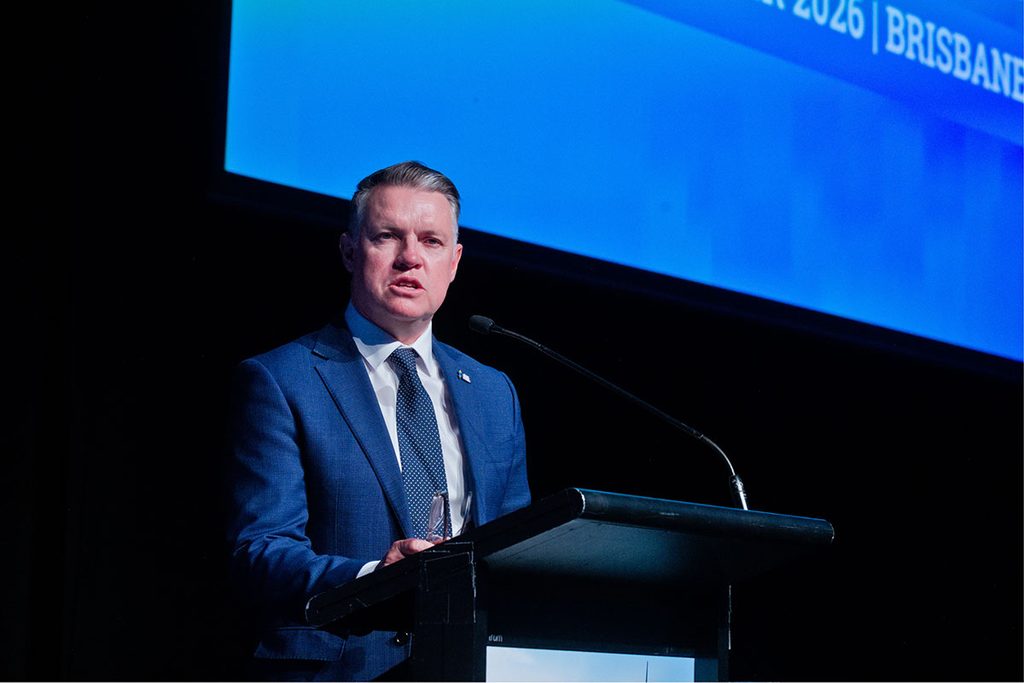
The Commercial and Industrial stream focused on the sector’s “missing middle” — the persistent gap between what renewable energy technology can deliver and the projects being built across Australian businesses and industry.
Robert Potter launched the Smart Energy Council’s new commercial and industrial report before joining Eddie Springer, James Taylor, Zain Sakarwala, Edison Nie and William Ni to discuss the barriers holding back investment and what needs to change.
The discussion covered the practical challenges facing the sector, including policy settings, finance, grid connections, project delivery and the need to give businesses greater confidence to invest.
The question of local capability returned later in the program when Dr Michelle Vaqueiro Contreras, Joshua Watts, Thomas Bell and Richard Petterson examined whether Australia should manufacture more of its own solar and battery technology instead of continuing to rely heavily on imported products.
The session explored the opportunities for Australian manufacturing, stronger supply chains, skilled jobs and greater energy security.
Supporting the people behind the scenes
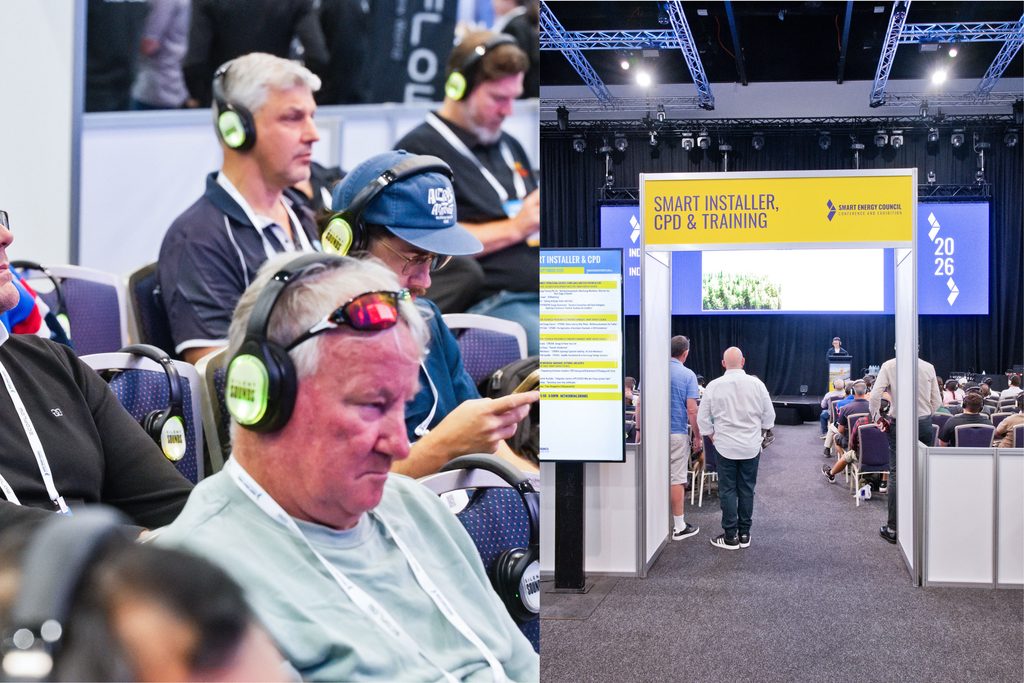
Running alongside the main conference, the Smart Installer and CPD program gave installers access to up to 50 CPD points in one day.
The practical sessions covered SOFAR PowerAll, Sigenergy’s SigenStor labelling requirements, GoodWe residential storage systems, Dynamic Connections and Solar Emergency Backstop compliance requirements.
The program also examined why solar PV and battery storage systems do not always integrate as expected and concluded with SolaX Power presenting the case for bidirectional EV charging.
The strong attendance throughout the stream reflected the importance of supporting the people installing and maintaining Australia’s rapidly growing rooftop solar, battery and smart energy systems.
Technology and conversations on the exhibition floor
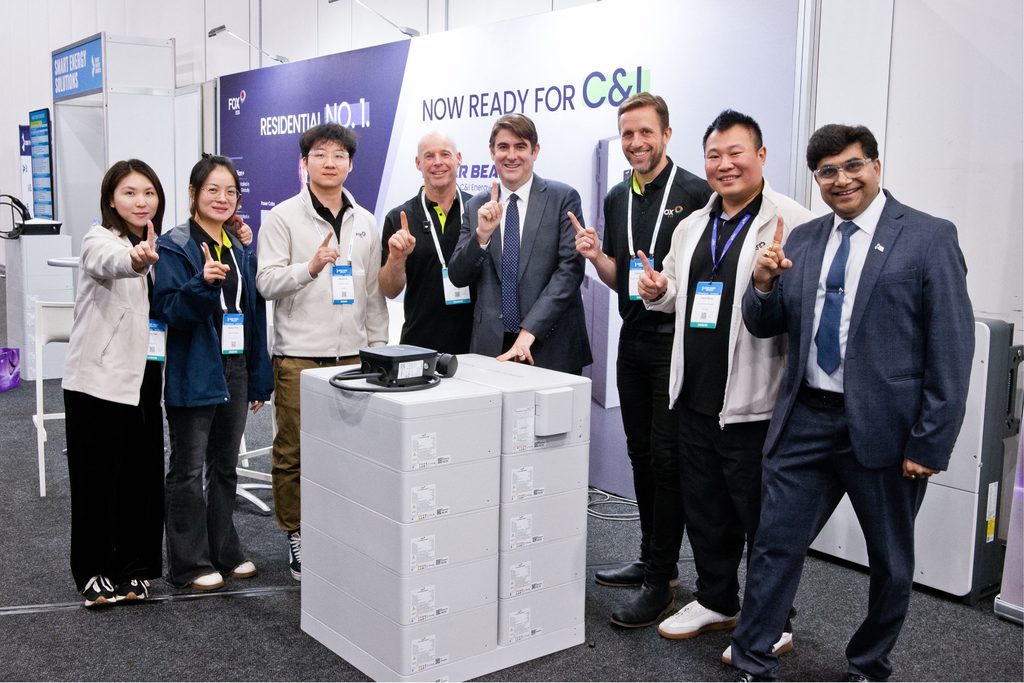
The exhibition floor remained busy throughout the day, giving attendees the opportunity to speak directly with technology providers, see new products and discuss the practical needs of customers, installers and businesses.
Smart Energy Council staff were on the floor throughout the event, welcoming attendees, supporting members and exhibitors, and hearing directly from people working across the sector.
The Council’s senior leadership, including CEO David McElrea and Chief Strategy Officer Nigel Morris, joined staff and board representatives in meeting members, speakers, exhibitors and industry partners.
Celebrating Wayne Smith
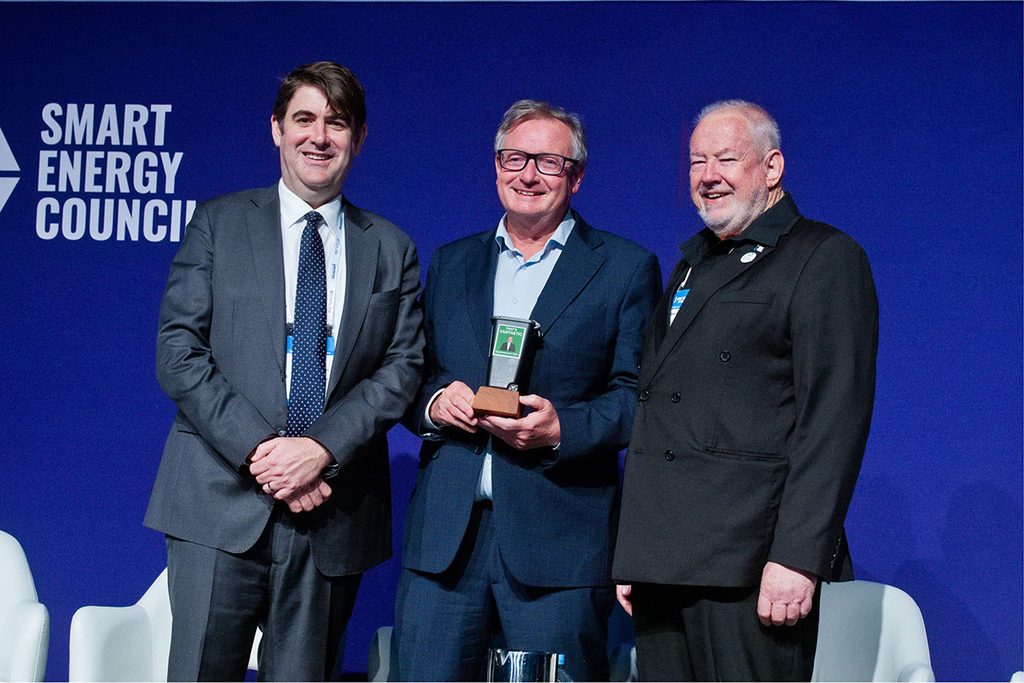
One of the most personal moments of the day was a surprise tribute to Wayne Smith, recognising his remarkable contribution to the Smart Energy Council and Australia’s renewable energy sector.
With the full Smart Energy Council team in attendance, Chief Strategy Officer Nigel Morris anchored the tribute and reflected on Wayne’s lasting influence across the organisation and the wider industry.
Board Director Steve Blume shared some memorable stories from Wayne’s many years of work, while former CEO and long-time colleague John Grimes delivered a special video message honouring Wayne’s leadership, commitment and contribution.
CEO David McElrea then presented Wayne with a commemorative memento on behalf of the Council.
The entire tribute had been carefully kept from Wayne, who was genuinely and happily surprised by the recognition. In response, he thanked the Council, his colleagues and the many people he had worked with across the sector.
In true Wayne style, he also used the moment to look ahead, sharing some thoughtful insights into the emerging developments and challenges the renewable energy industry should be watching closely.
It was a warm and fitting recognition of someone who has played an important role in the Council’s story and continues to contribute valuable experience and perspective to the sector.
Turning end-of-life products into new resources
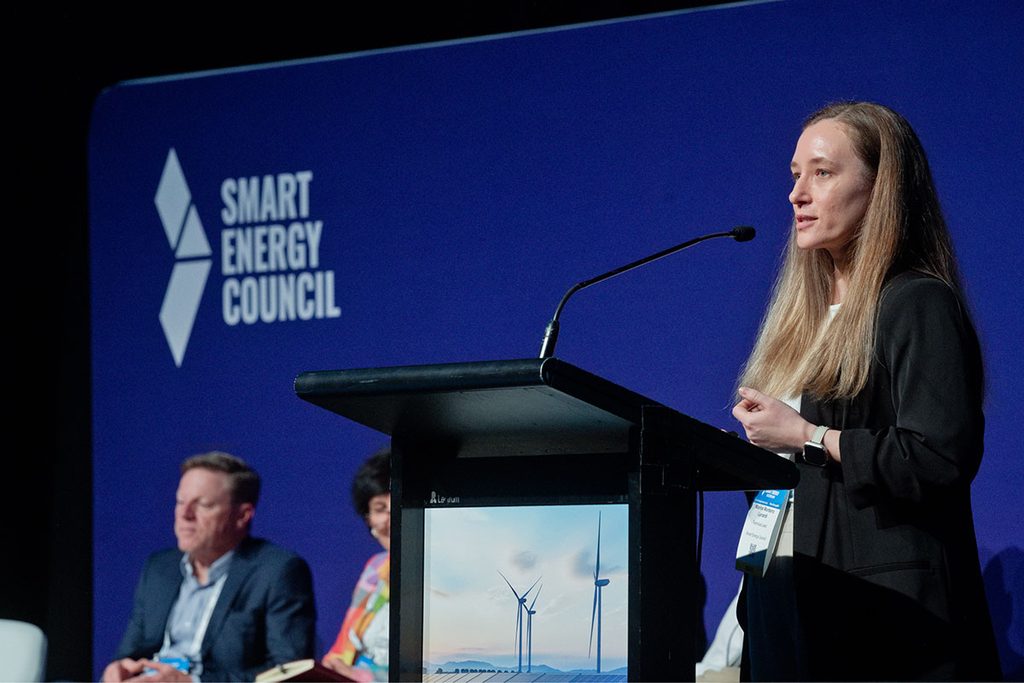
The final conference session looked ahead to an issue that every growing solar market must address: what happens when panels and batteries reach the end of their operating lives.
Darren Johannesen, Marina Monteiro Lunardi and Cara McNicol discussed the systems needed to recover, reuse and recycle these products. The conversation highlighted that solar panels and batteries should be viewed not simply as a future waste challenge, but as a significant resource and circular economy opportunity.
It was a fitting conclusion to a day focused on how Queensland can build a renewable energy sector that is reliable, skilled, locally capable and sustainable over the long term.
Thank you to our partners and industry
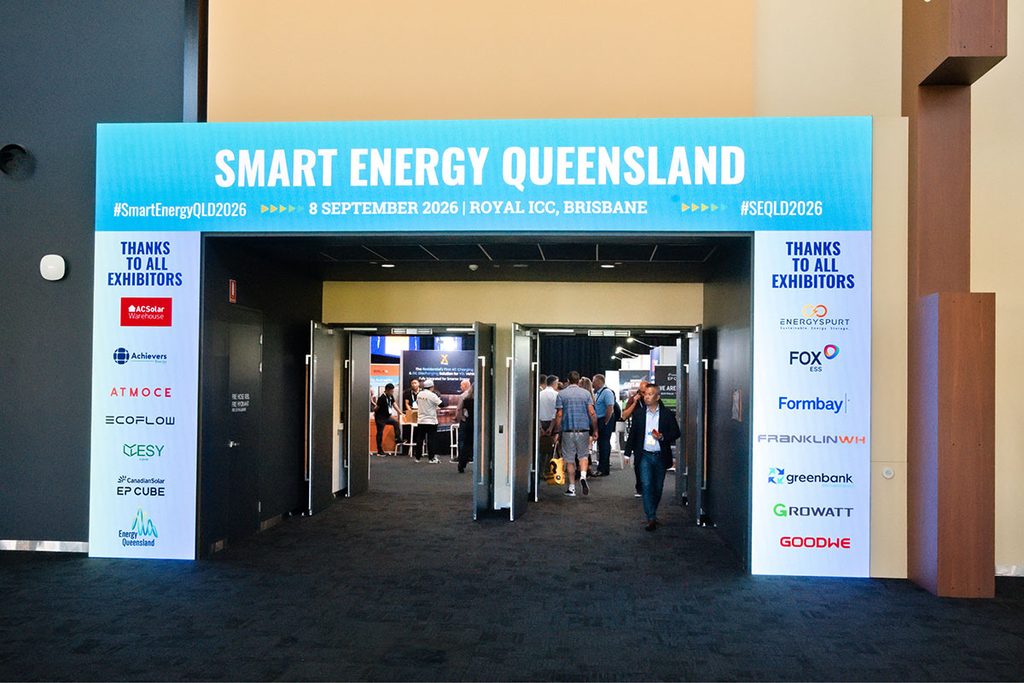
The Smart Energy Council thanks everyone who attended, spoke, exhibited or helped deliver Smart Energy Queensland 2026.
Thank you to our Lead Partner Fox ESS and our Event Partners SOFAR Solar, GoodWe, EcoFlow and Growatt.
We also acknowledge our Supply Partners, who supported the conference and pre-event networking drinks; Networking Drinks Partner Cromarty Automation; Showtruck- EcoFlow and Zero Vehicle Emissions Partners Kia; Café Partner Solar Juice; and Lounge and Lanyard Partner EcoFlow.
Thank you to AC Solar, WildTech, SolaX, OSW, Hoymiles, Solaris Finance, EP Cube, Energy Spurt, Formbay, FranklinWH, RecTraders, Pan Pacific Energy, Pylontech, Energy Queensland, Atmoce, Greenbank, Meteocontrol, Adelec and Achievers for bringing their people, products and expertise to the exhibition floor.
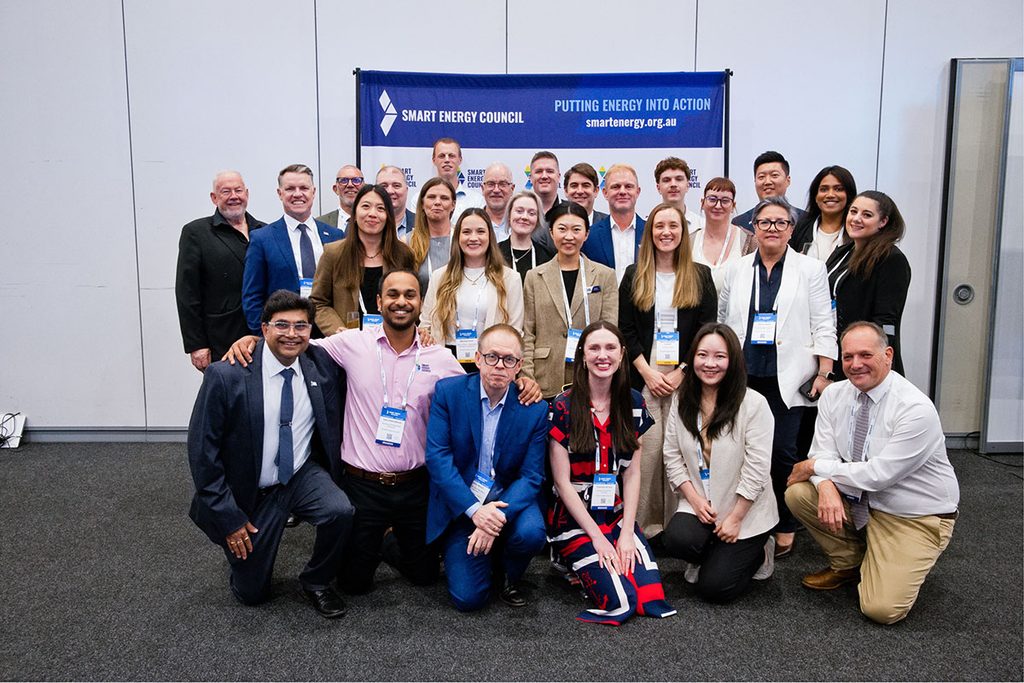
We also thank our venue partner, Royal ICC Brisbane, and the Smart Energy Council team who worked across the conference, exhibition and networking activities.
Most importantly, thank you to Queensland’s renewable energy community for coming together and making the day such a success.
Next stop: keep an eye out for the next Smart Energy Roadshow city near you.
-ENDS-
Media contact: media@smartenergy.org.au – 0448 972 192