

The Smart Energy Council welcomes the NSW Government’s new Data Centre Policy Framework and Guidelines, praising the State’s proactive leadership while outlining key refinements needed to ensure rapid data centre growth accelerates – rather than strains – Australia’s shift to clean energy.
The Council strongly supports the core pillars of the NSW framework, particularly its beneficiary-pays approach to infrastructure cost recovery, mandatory drought resilience and recycled water measures, and world-leading Power Usage Effectiveness (PUE) and Water Usage Effectiveness (WUE) standards.
The Council also endorsed the framework’s strict limits on diesel emissions, mandatory demand-flexibility obligations, fast-tracked 75-day planning approvals for high-standard developments, and NSW’s commitment to driving national policy harmonisation.
However, to ensure the framework fully achieves its objective of zero net cost to consumers and genuine zero-emissions growth, the Smart Energy Council is urging the NSW Government to refine several critical implementation elements.
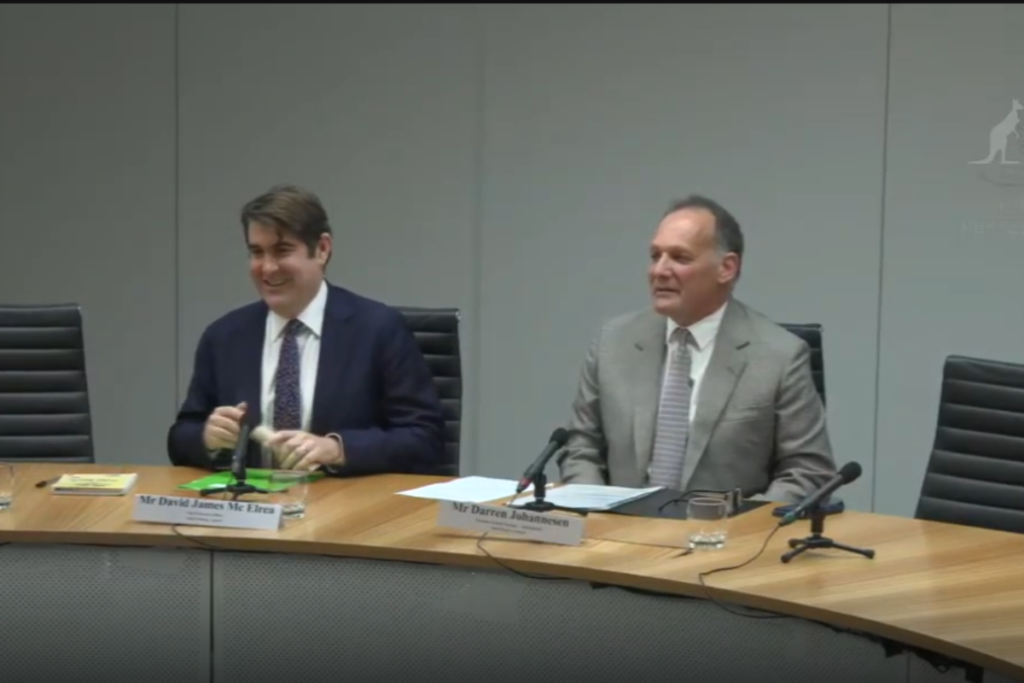
Quotes attributable to David McElrea, CEO of the Smart Energy Council:
“The NSW Government deserves credit for taking a nation-leading stance on data centre expansion. Setting clear, high standards for energy efficiency, water resilience, and mandatory demand flexibility gives the clean energy sector and data infrastructure developers the certainty they need.”
“We strongly back the principle that data centres must pay for the network and water upgrades they require. Protecting households and small businesses from carrying the cost of commercial power and water upgrades is non-negotiable.”
“However, a good framework must be executed cleanly. As written, there are key areas that require refinement before these guidelines are locked in. We need absolute transparency on how demand flexibility obligations will be monitored and enforced, alongside an explicit timeline to phase out diesel generators in favour of clean, long-duration battery storage.”
“We also must ensure that proposed fee structures and entry bonds do not inadvertently entrench large market incumbents or erect unfair barriers for smaller, innovative clean-tech proponents. Finally, streamlined approvals must be paired with clear, mandatory community benefit-sharing requirements to deliver lasting local gains.”
“NSW has set a high bar for the rest of Australia. We look forward to working closely with Ministers, IPART, and the new Investment Delivery Authority to sharpen these guidelines so the digital boom directly drives our transition to 100% renewable power.”
ENDS.
Media Contact
Email: media@smartenergy.org.au
Phone: +61 448 972 192
Website: www.smartenergy.org.au
About the Smart Energy Council
The Smart Energy Council is the peak independent membership body representing Australia’s renewable energy industry. We are a not-for-profit organisation and registered charity, advocating on behalf of our members and the wider industry for strong energy policy, increased investment, energy security and sustainable industry growth. Our work spans residential, commercial and industrial distributed energy resources (DER), including solar PV and battery storage, rooftop solar, electrification, electric vehicles and smart transport, renewable manufacturing, large-scale renewable energy, electricity grid development and emerging energy technologies. We represent our members’ interests nationally and internationally, including across the Asia-Pacific region.
If your organisation operates in the renewable energy sector, become a member to support our work, strengthen our collective voice and help shape the industry’s future.
Share on socials