
SEC News

The Smart Energy Council calls for urgent action on stalled solar panel recycling pilot

The Smart Energy Council has urged the Australian Government to resolve the suspension of its national solar panel recycling pilot, warning that delays are holding back investment and the development of a domestic recycling industry.

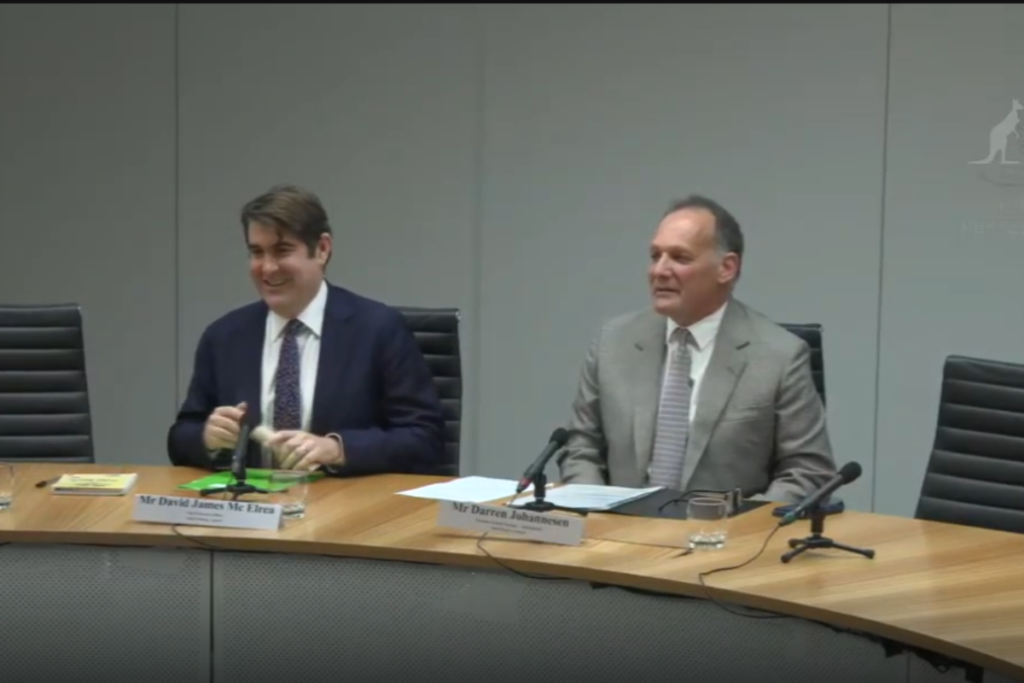
CEO David McElrea and Executive General Manager for Sustainability Darren Johannesen appeared today before the House Standing Committee inquiry into solar panel reuse and recycling in Australia.

In his opening statement, Mr McElrea reaffirmed the Council’s support for a mandatory national solar panel recycling scheme. He said the $24.7 million pilot, announced in January, was intended to help inform a permanent scheme by testing the collection of approximately 250,000 panels through up to 100 sites.

See the full opening remarks below:

The pilot’s procurement process was suspended in May while a complaint was investigated. The Smart Energy Council was among the organisations that tendered for the work.

Mr McElrea said any complaint must be properly investigated and made no comment on its merits. However, he urged the department to decide whether the existing procurement could proceed or a new tender was required.

“Not making a decision is itself a decision,” Mr McElrea told the committee.

He said businesses had invested in staff, equipment and recycling capacity on the expectation that the pilot would proceed.

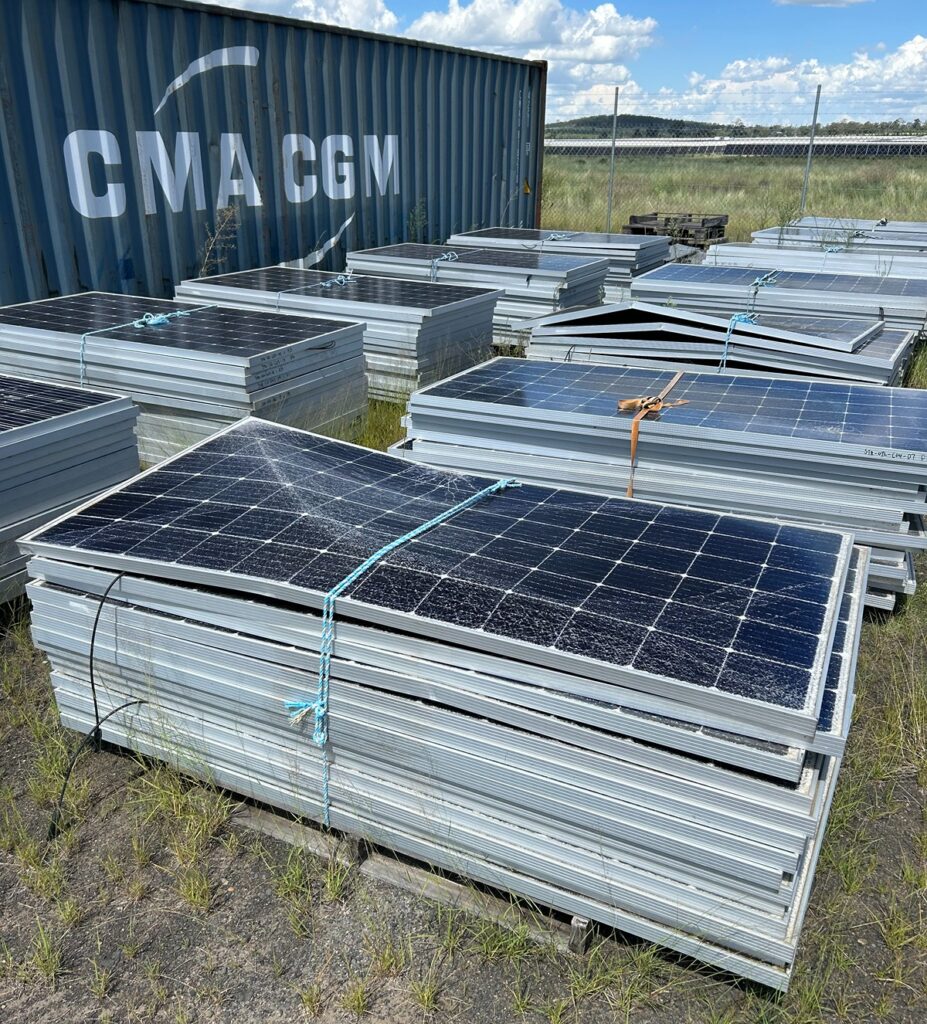
“That capacity is now sitting idle, while panels continue to reach the end of their working life across households, commercial sites and large-scale projects, many ending up in landfill,” Mr McElrea said.

Committee members questioned how a national scheme would pay to recycle panels already installed. Mr Johannesen outlined the Council’s proposal for a mandatory product stewardship scheme, funded when panels are imported or manufactured, with the cost of older panels included from the outset.

Mr McElrea cautioned that charging only when panels are discarded could encourage illegal dumping. He said a national scheme would also be simpler to implement consistently than separate disposal arrangements across states and local governments.

The hearing examined the cost of transporting heavy panels across Australia. Mr McElrea said the pilot could help determine where collection and logistics hubs should be located, with the potential to support recycling and manufacturing jobs in regional areas, including the Illawarra and Hunter.

Looking ahead, Mr Johannesen highlighted the need to trace panels from installation through removal, collection and recycling. Knowing the origin of recovered materials could help Australian manufacturers demonstrate their use of recycled content and strengthen the market for those materials.

Mr McElrea said a thriving domestic recycling industry could create good jobs and give Australia the opportunity to share its recycling knowledge and skills internationally. But businesses need certainty to make that investment.

The Smart Energy Council will continue working with its members, industry and governments to get the pilot moving and deliver a national scheme that recovers valuable materials, supports regional jobs and gives businesses the confidence to grow.

ENDS.

Media Contact: Tim Lamacraft, GM Media and Comms, media@smartenergy.org.au
Related Posts

Coalition energy policy a full-throated attack on renewable energy

Smart Energy Council Welcomes NSW Solar Panel Recycling Mandate, Calls for National Leadership

Smart Stewardship

Chair: Darren Johannesen

Meeting Frequency: Every 12 Weeks

Sector Scope

  • Recyclers
  • PV Manufacturers
  • Product stewardship participants

Policy Scope

  • Stewardship policy
  • Recycling frameworks
  • Circular economy initiatives

Technology Scope

  • Solar
  • Batteries

Topics Scope

  • Recycling pathways
  • Product stewardship schemes
  • End-of-life management
  • Industry obligations
  • Sustainability initiatives

Smart Global

Chair: Richard Neumann

Meeting Frequency: Third Monday of every second month except December

Sector Scope

  • Importers
  • Exporters
  • Investors
  • International project managers

Policy Scope

  • International trade
  • Market entry
  • Export facilitation
  • Tariff and non-tariff barriers

Technology Scope

  • Smart energy technologies
  • Climate technologies

Topics Scope

  • Renewable Energy Council Asia Pacific
  • Export opportunities
  • Trade missions
  • Trade and investment agreements
  • Green Economy agreements
  • Global Climate
  • International partnerships
  • Investment opportunities

Smart Transport

Chair: Rhiannon Evans

Meeting Frequency: Every 12 Weeks

Sector Scope

  • Transport technology providers
  • Light and Heavy Electric Fleet operators
  • Charging infrastructure businesses

Policy Scope

  • EV policy
  • Charging infrastructure
  • Transport electrification
  • Network integration
  • Incentives 

Technology Scope

  • Electric vehicles
  • Charging infrastructure
  • Fleet technologies
  • Distribution Network

Topics Scope

  • Rapid Expansion
  • Interconnections
  • Regulations and Standards
  • V2X

Smart Manufacturing

Chair: Rod Scott

Meeting Frequency: Every 12 Weeks

Sector Scope

  • Local manufacturers
  • Technology developers
  • Component suppliers
  • Emerging technologies

Policy Scope

  • Supply Chain
  • R&D
  • Manufacturing Incentives
  • CEFC

Technology Scope

  • Solar
  • Storage
  • Electronics
  • Software
  • Critical materials

Topics Scope

  • Expanding local manufacturing
  • Export opportunities
  • Supply chains
  • Local content
  • Investment attraction
  • Industry capability

Smart Large-scale

Chair: John Welch

Meeting Frequency: Every 8 Weeks

Sector Scope

  • Large & utility scale developers
  • Asset owners
  • Investors
  • EPCs

Policy Scope

  • NEM Review
  • Capacity Investment Scheme
  • Planning Regulation

Technology Scope

  • Solar
  • Storage
  • Wind
  • Transmission

Topics Scope

  • Interconnection
  • Development
  • Financing
  • Energy Wholesaling
  • Planning Regulation

Smart Consumer

Chair: Sohaib Mohammed

Meeting Frequency: Every 8 Weeks

Sector Scope:

  • Installers
  • Retailers
  • Wholesales
  • Service providers

Policy Scope

  • Consumer Energy Resources (CER) Rebate programs
  • Accreditation
  • Local regulations

Technology Scope

  • Solar
  • Battery storage
  • Energy retail
  • Distributed network technologies

Topics Scope

  • Compliance obligations
  • Training and workforce issues
  • Regulations 
  • Consumer protection
  • Energy retail developments
  • Virtual Power Plants (VPP)
  • Industry best practice

Contact Thornton de Voy

Contact Yuan Fang

Contact Ivan Chelvathurai

Contact Nigel Morris

Contact Charlie Caruso

Contact Darren Johannesen

Contact Jessica Hampshire