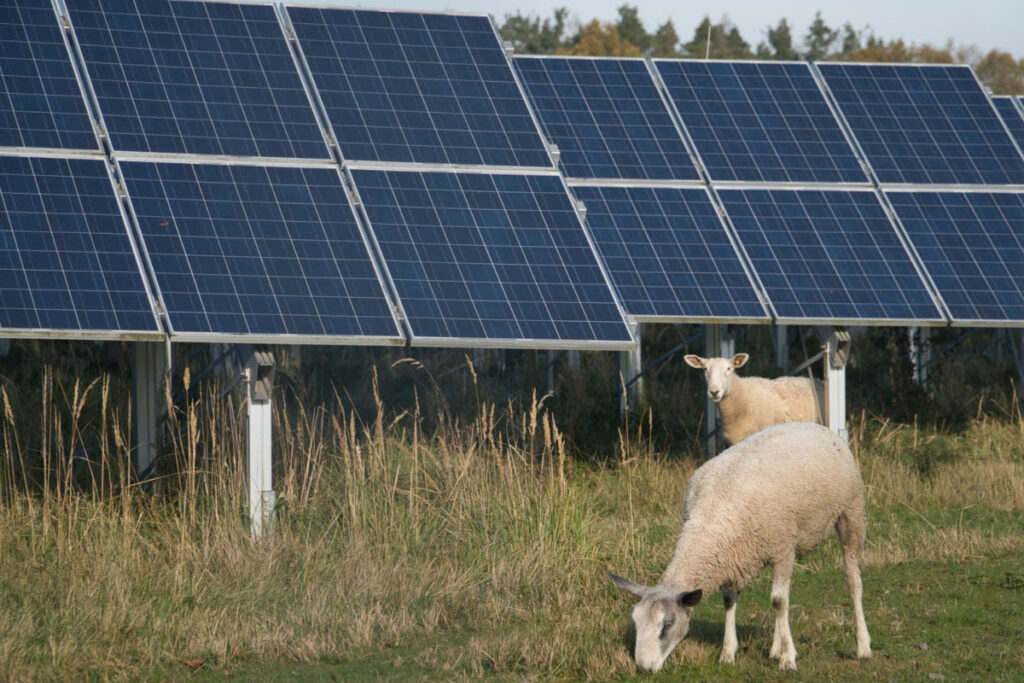

SEC News

Nuclear fallout – Shutting down renewables, driving up power bills

The Liberal and National parties have followed through on their threat to shut down the renewable energy industry and force Australians to pay for the most expensive form of power, nuclear.

Ignoring real world examples in nuclear nations that show reactors take decades to build and can cost close to $100 billion for a single nuclear power plant, Peter Dutton says this is where he’ll sink taxpayers money. 

“Promising Australians a doubling of their power bills in a cost of living crisis is the worst Christmas present ever,” Smart Energy Council Chief Executive John Grimes said.

“In the lead up to Christmas, the Liberal and National Parties are threatening to cancel an industry that employs over 40,000 Australians.”

“Mr Dutton is proposing to slam the brakes on solar and renewables by halting clean energy generation at 54 per cent of our power mix, even though we’re already at 40%, and will be at 50% within two years.”

Smart Energy Council analysis reveals the impact the Liberal and National parties nuclear plan will have on the millions of Australian solar households, who’ll have their power switched off.

“Nuclear reactors cannot be switched off, meaning they continue forcing power into the grid even when solar is literally producing free electricity for 4 million Australians.”

“Nuclear and solar do not mix, and it will be Australians who have to pay the price for that.”

Previous detailed analysis by the Smart Energy Council shows Mr Dutton’s nuclear reactor plan will cost up to $600 billion of taxpayer funds, however today’s policy update from the Coalition reveals that figure could well be conservative. The Opposition’s economists have already had to significantly revise their costings. Every single line of the Coalition’s costings are contestable.

“The renewable energy transition will cost a fraction of the real world cost of nuclear,, is largely being paid for by private capital, and is forming the cheapest, cleanest and most reliable power grid.”

“Meanwhile the Liberal and National parties want to spend $600 billion of taxpayer money on nuclear reactors.” 

“Think how many fully staffed hospitals and schools you could build in each of the seven regions they’re trying to build nuclear reactors,” Mr Grimes said.

“Nuclear is the most expensive, most divisive, and slowest form of energy. Solar and renewables are the cheapest, fastest and most popular form of energy. This really is the worst Christmas present ever.

Media requests: tim@smartenergy.org.au – 0448 972 192
Related Posts

Low cost renewables shielding Australia from global shocks

Smart Energy South Australia 2026 showcases the state’s leadership as Australia’s renewable energy powerhouse

Smart Stewardship

Chair: Darren Johannesen

Meeting Frequency: Every 12 Weeks

Sector Scope

  • Recyclers
  • PV Manufacturers
  • Product stewardship participants

Policy Scope

  • Stewardship policy
  • Recycling frameworks
  • Circular economy initiatives

Technology Scope

  • Solar
  • Batteries

Topics Scope

  • Recycling pathways
  • Product stewardship schemes
  • End-of-life management
  • Industry obligations
  • Sustainability initiatives

Smart Global

Chair: Robert Potter

Meeting Frequency: Every 12 Weeks

Sector Scope

  • Importers
  • Exporters
  • Investors
  • International projects

Policy Scope

  • International trade
  • Market entry
  • Export facilitation
  • Trade Tariff 

Technology Scope

  • Smart energy technologies
  • Climate technologies

Topics Scope

  • Renewable Energy Council Asia Pacific
  • Export opportunities
  • Trade missions
  • Global Climate
  • International partnerships
  • Investment opportunities

Smart Transport

Chair: Rhiannon Evans

Meeting Frequency: Every 12 Weeks

Sector Scope

  • Transport technology providers
  • Light and Heavy Electric Fleet operators
  • Charging infrastructure businesses

Policy Scope

  • EV policy
  • Charging infrastructure
  • Transport electrification
  • Network integration
  • Incentives 

Technology Scope

  • Electric vehicles
  • Charging infrastructure
  • Fleet technologies
  • Distribution Network

Topics Scope

  • Rapid Expansion
  • Interconnections
  • Regulations and Standards
  • V2X

Smart Manufacturing

Chair: Rod Scott

Meeting Frequency: Every 12 Weeks

Sector Scope

  • Local manufacturers
  • Technology developers
  • Component suppliers
  • Emerging technologies

Policy Scope

  • Supply Chain
  • R&D
  • Manufacturing Incentives
  • CEFC

Technology Scope

  • Solar
  • Storage
  • Electronics
  • Software
  • Critical materials

Topics Scope

  • Expanding local manufacturing
  • Export opportunities
  • Supply chains
  • Local content
  • Investment attraction
  • Industry capability

Smart Large-scale

Chair: Sohaib Mohammed

Meeting Frequency: Every 8 Weeks

Sector Scope

  • Large & utility scale developers
  • Asset owners
  • Investors
  • EPCs

Policy Scope

  • NEM Review
  • Capacity Investment Scheme
  • Planning Regulation

Technology Scope

  • Solar
  • Storage
  • Wind
  • Transmission

Topics Scope

  • Interconnection
  • Development
  • Financing
  • Energy Wholesaling
  • Planning Regulation

Smart Consumer

Chair: John Welch

Meeting Frequency: Every 8 Weeks

Sector Scope:

  • Installers
  • Retailers
  • Wholesales
  • Service providers

Policy Scope

  • Consumer Energy Resources (CER) Rebate programs
  • Accreditation
  • Local regulations

Technology Scope

  • Solar
  • Battery storage
  • Energy retail
  • Distributed network technologies

Topics Scope

  • Compliance obligations
  • Training and workforce issues
  • Regulations 
  • Consumer protection
  • Energy retail developments
  • Virtual Power Plants (VPP)
  • Industry best practice

Contact Thornton de Voy

Contact Yuan Fang

Contact Ivan Chelvathurai

Contact Nigel Morris

Contact Charlie Caruso

Contact Allen Edwards

Contact Darren Johannesen

Contact Jessica Hampshire